
CO2 Laser
Precise removal of raised skin lesions and fine-detail resurfacing.
Precise removal of raised skin lesions and fine-detail resurfacing.
The CO2 laser emits an infrared beam that is absorbed by water in skin tissue. Because the skin is over 70% water, the target lesion is heated and vaporized with very little effect on surrounding tissue.
The small, controllable spot lets the surgeon remove moles, skin tags, warts, syringoma, milia, and other raised lesions layer by layer — minimizing collateral damage and preserving the surrounding skin.
5–30 minutes depending on the number, size, and depth of lesions being treated.
Topical numbing cream only. No injection-based anesthesia is used at our clinic.
A thin scab or pinkish healing spot forms for about 5–10 days, then gradually fades. Makeup can usually cover after the first few days.
The lesion is removed in a single session in most cases. Complete colour and texture match can take 1–3 months as the new skin settles.
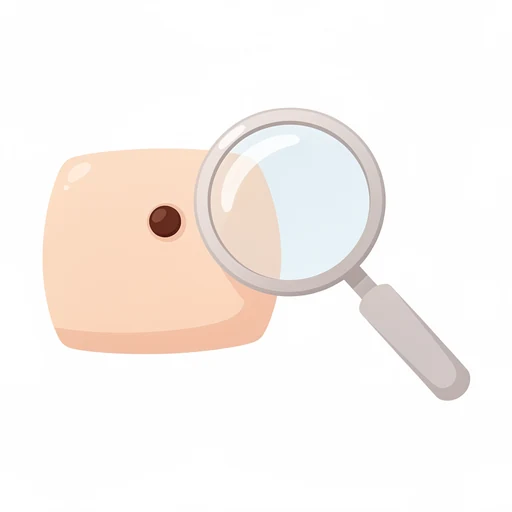
Pigmented or raised moles on the face and body. Flat and benign moles are removed layer by layer until the contour matches surrounding skin.
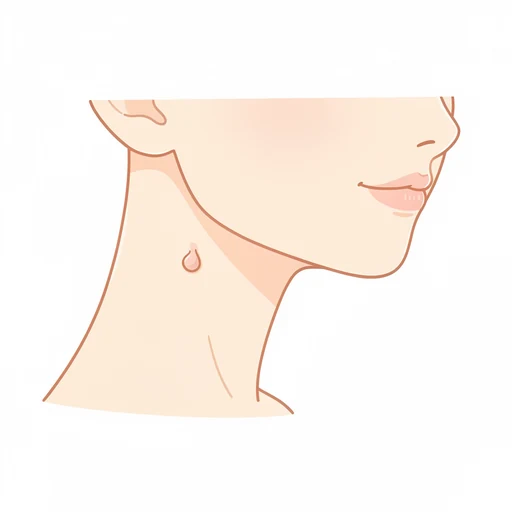
Small soft growths on the neck, underarms, and around the eyes. Removed cleanly at the base in seconds.
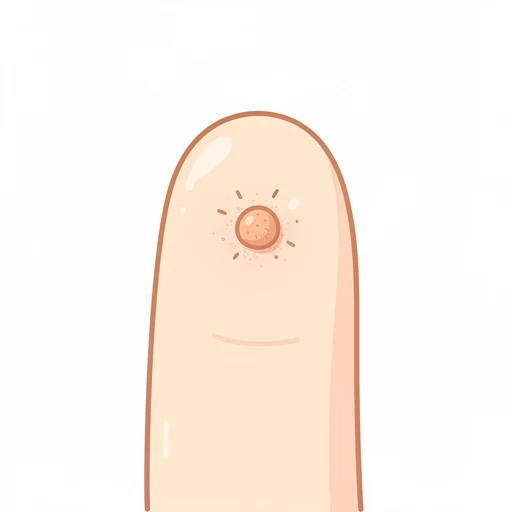
Viral skin growths on the hands, feet, or face. CO2 laser vaporizes the lesion and can be repeated if the virus persists.

Small, soft, skin-colored bumps typically around the lower eyelids and cheeks, caused by benign sweat-duct growths.
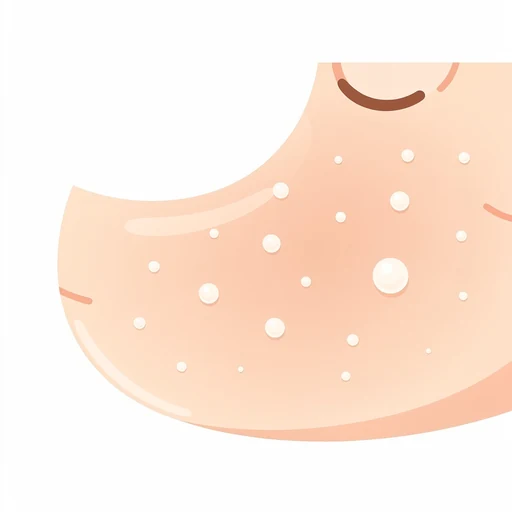
Small white cysts (milia) and enlarged oil glands. The CO2 laser opens the cyst and vaporizes the contents precisely.
Age-related raised brown spots. The lesion is ablated at the correct depth while the base remains protected.
Your surgeon examines each lesion to determine the appropriate depth and power, and to rule out lesions that should be biopsied instead of ablated.
Topical numbing cream is applied; for deeper or multiple lesions a small local injection is added.
The focused CO2 beam vaporizes the lesion layer by layer at the planned depth, with minimal effect on adjacent skin.
A small scab forms and gradually falls away over 5–10 days. Strict sunscreen and moisture are key through full settling.
Patients with clearly benign moles, skin tags, warts, or milia who want precise spot removal rather than surgical excision.
Those with clusters of small bumps under the eyes or on the cheeks who want flatter, smoother skin texture.
Patients with seborrheic keratosis or senile lentigo that sit above the skin surface and respond well to careful ablation.
Those who want targeted lesion removal with minimal collateral damage rather than full-face ablative resurfacing.
The CO2 laser emits an infrared beam that is absorbed by water in skin tissue. Because lesion tissue contains water, the beam heats and vaporizes it precisely. Commonly treated lesions include moles, skin tags, viral warts, syringoma, milia, sebaceous hyperplasia, seborrheic keratosis, and senile lentigo. The surgeon removes each lesion layer by layer at the depth planned, with minimal effect on surrounding skin.
We use topical numbing cream only (no injection). It manages most small lesions comfortably — you may feel brief warmth or a light flicking sensation during the pulse, but the procedure itself is well-tolerated and short. Mild soreness afterward fades within a few hours.
The session length depends on the number, size, and location of lesions. A single lesion takes about 1–2 minutes of actual laser time; most sessions last 5–30 minutes including numbing and post-care. Multiple small lesions can often be addressed in a single visit when safely distributed, though the surgeon may split larger counts across sessions to keep healing manageable.
Most benign raised lesions (moles, skin tags, milia) are removed in a single session. Deeper pigmented moles, stubborn warts, or clusters such as syringoma sometimes need a second session spaced 4–8 weeks later once the first healing is complete.
Completely removed benign lesions usually do not return. Viral warts can recur because of the underlying virus, and new moles or keratoses can appear over time — these are new lesions, not regrowth of the treated one.
CO2 laser vaporizes the lesion without cutting, so there are no sutures and healing happens through re-epithelialization over 5–10 days. Surgical excision cuts the lesion out with a scalpel and requires stitches; it is preferred when the lesion is large, very deep, or when a tissue sample is needed for biopsy. Your surgeon recommends the technique based on each lesion's size, depth, and any concerning features.
Yes. Facial skin is thinner and heals faster, but is also more visible; settings are chosen conservatively to minimize any pigment or texture change. Body skin (especially below the knees) can heal more slowly and is more prone to darker pigmentation during recovery, so strict sunscreen and scar-care are particularly important after body treatments.
A thin scab forms on the treated spot and gradually falls away within 5–10 days on the face, often longer on the body. Mild pinkness can last several more weeks and fades as the skin settles. Complete colour match typically takes 1–3 months.
CO2 laser aims to leave no visible scar, but outcomes depend on lesion depth, skin type, and aftercare. Temporary post-inflammatory hyperpigmentation (darkening) or hypopigmentation (lightening) can occur during healing and usually resolves over months. Following sunscreen and scar-care instructions closely significantly reduces these risks.
It can be, but darker skin types are more prone to post-inflammatory pigmentation. Depth and power settings are adjusted conservatively, and sunscreen plus pigment-care products are essential through recovery. Your surgeon will discuss the realistic timeline for full colour normalization.
No — not every lesion should be ablated. If a lesion shows any features concerning for skin cancer (irregular borders, uneven colour, recent change, itching or bleeding), it must be biopsied by surgical excision instead of vaporized. Your surgeon examines each lesion carefully before treatment and refers for biopsy when indicated.
For residual or recurrent lesions, a second session is usually spaced at least 4–8 weeks after the first — long enough for the skin to fully re-epithelialize and for any pigment change to settle. Your surgeon re-evaluates at follow-up and recommends timing case by case.
Apply the prescribed ointment to keep the area moist, avoid picking at the scab, and use a high-SPF sunscreen for at least 3 months. Avoid sauna, swimming pools, and vigorous exercise for about a week. Makeup can usually cover the area after the first few days once the scab is stable.
The procedure itself is same-day. A typical plan is 2–3 days for consultation, treatment, and an optional early check-up. If the scab is still present at departure, that is expected — healing continues at home. Your care coordinator arranges remote check-ins via WhatsApp; photos are reviewed by the surgeon and local follow-up guidance is provided if needed.
Send clear photos of each lesion via WhatsApp — ideally both close-up and normal-distance views in natural light. Our team replies within 24 hours with a surgeon-reviewed plan and next steps. A final treatment plan is confirmed at your in-person consultation in Seoul.
Send us photos of the lesions you would like addressed. We'll typically reply within 24 hours with a personalized plan.