
Fractional Laser
Resurfacing treatment for smoother texture, smaller pores, and clearer tone.
Resurfacing treatment for smoother texture, smaller pores, and clearer tone.
A fractional laser treats only a fraction of the skin at a time — a dense grid of microscopic treatment columns with healthy, untreated skin between them. The untreated skin accelerates recovery while the treated columns trigger collagen remodeling and surface renewal from within.
At Link PS we use a fractional CO2 laser performed by a board-certified surgeon. The treatment is planned based on your specific concern — scars, pores, pigment, or texture — rather than a fixed protocol.
About 20–40 minutes for the full face, including numbing time.
Topical numbing cream. Treatment is bearable but with some warmth and prickling sensation.
Redness and mild swelling 1–3 days. Micro-crusting and flaking peel off over about 3–7 days. Makeup usually fine from day 2–3.
Initial brightening within 2 weeks. Scar and pore improvement builds over 2–3 months. A series of 3–5 sessions is typical for best results.
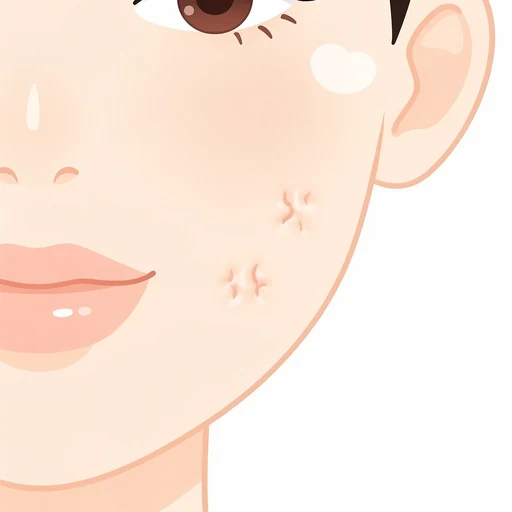
Rolling and boxcar scars from past acne. Repeated sessions progressively smooth the depth and texture.
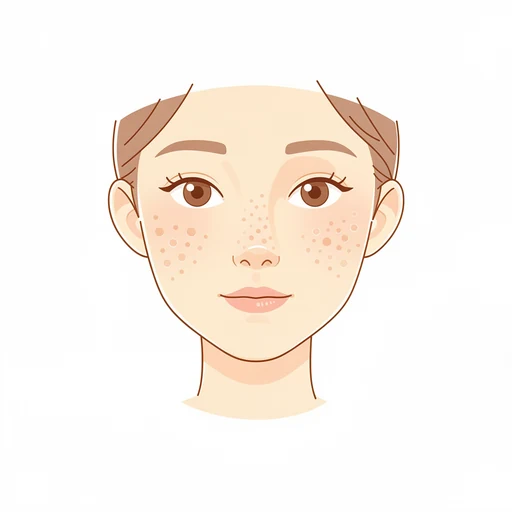
Stretched pores on the cheeks and nose. Tightens surrounding collagen for a finer, more refined skin surface.
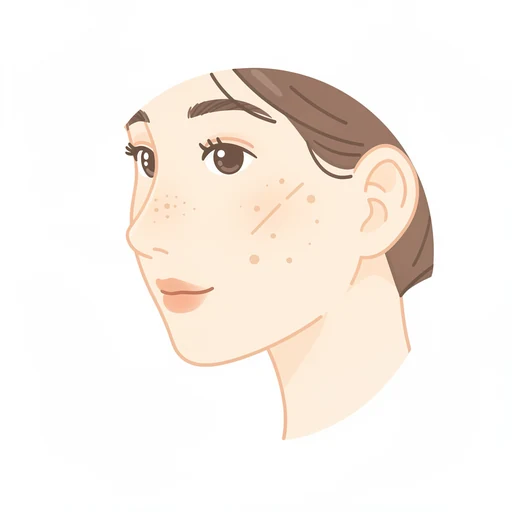
Surface pigmentation and sun-damage spots. Fractional treatment helps fade pigment while refreshing the overall skin tone.

Early fine lines from sun exposure and thinning skin. Stimulates dermal collagen without disrupting the skin surface.
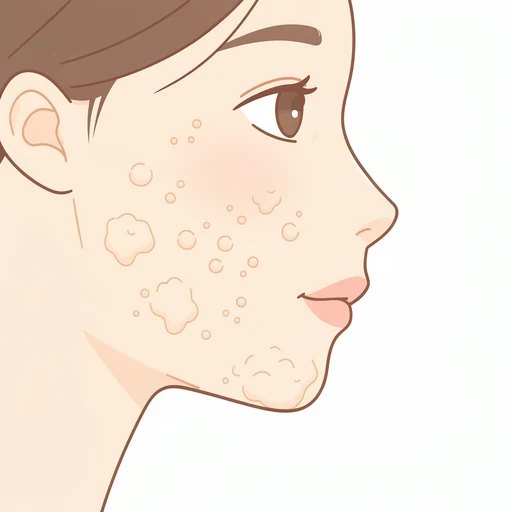
Rough, bumpy, or dull skin. Fractional energy nudges the skin into a full cycle of renewal over the following weeks.
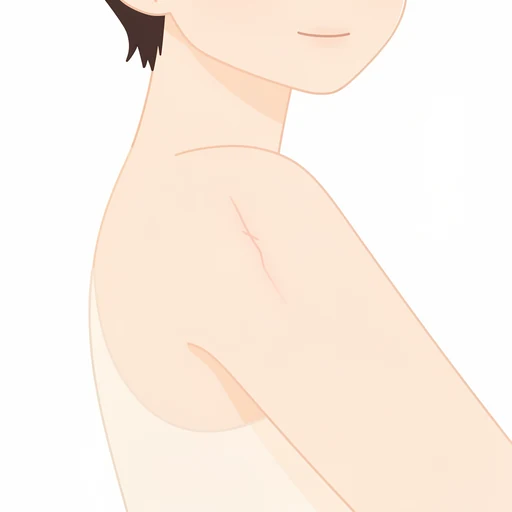
Mature surgical scars and stretch marks benefit from fractional remodeling. Best combined with serial sessions.
Your skin is assessed for the primary concern (scars, pores, pigment, texture) and the appropriate wavelength combination and energy level is planned.
Topical numbing cream is applied for 30–60 minutes. No injection-based anesthesia is used.
The laser delivers its micro-beam grid across the face. Most patients feel warmth and brief prickling during each pass.
Redness, micro-crusting, and flaking resolve over 3–7 days. Collagen remodeling and scar smoothing continue over 2–3 months.
Patients with residual acne scars, enlarged pores, or uneven surface texture who want progressive structural improvement.
Those with surface pigmentation, sun-damage lentigines, or a generally uneven skin tone that has not responded well to topicals alone.
Patients with early fine lines and thinning skin who want collagen stimulation without committing to more aggressive ablative resurfacing.
Those who can plan 3–7 days of privacy for healing but do not want the longer downtime of full ablative lasers.
A fractional laser treats only a fraction of the skin in each pass — a dense grid of microscopic treatment columns with healthy, untreated skin between them. The untreated skin drives faster recovery while the treated columns stimulate collagen remodeling and surface renewal from within.
Acne scars, enlarged pores, surface pigmentation and sun damage, uneven skin tone, rough texture, early fine lines, surgical scars, and stretch marks. Results are most predictable when the primary concern is identified and sessions are planned as a short series.
Topical numbing cream is applied for 30–60 minutes before the procedure. During the treatment most patients feel warmth and brief prickling rather than sharp pain. No injection-based anesthesia is used.
Most results need a short series: typically 3–5 sessions spaced 2–4 weeks apart. Deep acne scars may need more; general brightening or tone polishing may need fewer. The final plan is confirmed after in-person assessment.
Initial brightening is often visible within 2 weeks of the first session. Pore and scar improvement develops progressively over 2–3 months as collagen remodels. Results continue to build with each session in the series.
Structural improvements such as scar smoothing and pore refinement tend to hold long-term. Tone and pigmentation benefits depend on sun exposure and skincare habits — maintenance sessions once or twice a year help sustain the result.
Redness and a warm sunburn-like feeling for 1–3 days. Tiny dark spots (micro-crusting) appear on day 2–3 as treated columns come to the surface, and peel off over about 3–7 days. Makeup usually resumes from day 2–3. Avoid picking the micro-crusts.
Temporary post-inflammatory hyperpigmentation (darkening) can occur, particularly in darker skin types, and usually resolves over weeks to months with diligent sunscreen and skincare. True scarring from Fraxel is very rare when settings are chosen appropriately and aftercare is followed.
It can be, but darker skin types are more prone to post-inflammatory pigmentation, so settings are chosen more conservatively and pigment-care products become especially important. A test spot or lower-energy first session is sometimes recommended.
Before: avoid retinoids and active exfoliants for about a week, disclose isotretinoin (Accutane) use in the past 6–12 months, avoid sunburned skin. After: strict sunscreen, gentle moisturizing cleanser only, no picking of micro-crusts, no sauna or hot baths for 3–5 days, and avoid strong active ingredients until the skin fully recovers.
Yes. It is commonly paired with skin boosters (Rejuran, Juvelook) for hydration during the series, and with toning lasers for melasma or stubborn pigment. Ablative treatments and strong acids are spaced several weeks apart from Fraxel sessions.
Elective cosmetic laser treatments are generally deferred during pregnancy and breastfeeding as a precaution. Treatment can be considered after weaning.
Typical and temporary: redness, warmth, mild swelling, micro-crusting, transient itching during healing. Less common: post-inflammatory hyperpigmentation (especially in darker skin), acne flare, herpes cold sore reactivation (antivirals may be used preemptively in patients with a history). Rare: infection, prolonged redness, or scarring. Your surgeon reviews the risks based on your skin type before treatment.
Plan approximately 5–7 days so most visible crusting and redness have resolved before flying. Typical itinerary: Day 1 consultation, Day 2 treatment, optional Day 5–7 check-up. Remote check-ins via WhatsApp are arranged during the remainder of healing; photos are reviewed by your surgeon, with local follow-up guidance if needed. If you are doing a series, later sessions can be scheduled on return trips or transitioned to a qualified local provider with your surgeon's guidance.
Send clear photos of your skin in good natural light, indicating the primary concern (scars, pores, pigmentation, tone, or texture). Our team replies within 24 hours with a surgeon-reviewed plan and next steps.
Send us close-up photos of your skin. We'll typically reply within 24 hours with a personalized plan.