
Belly Button Reshaping
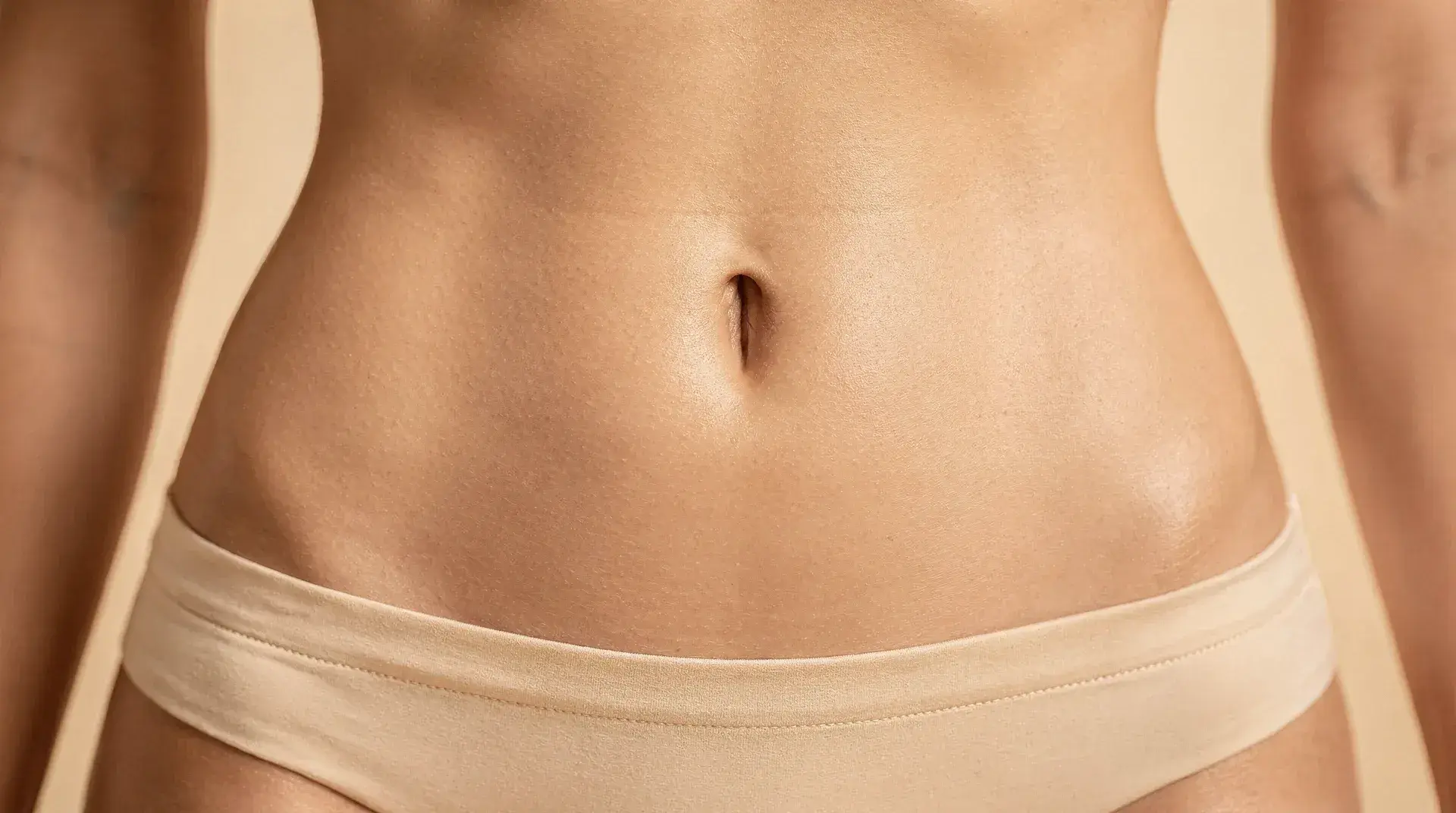
Complete the perfect bodyline with a refined, elegant navel shape.
Complete the perfect bodyline with a refined, elegant navel shape.
Belly button surgery (umbilicoplasty) at Link Plastic Surgery in Seoul reshapes the navel to create a more defined, vertically oriented contour. A well-shaped navel completes the overall bodyline. The ideal aesthetic shape is a thin vertical slit, while common concerns include protruding (outie) navels, horizontal navels, deformities after pregnancy, and scarring from piercings or previous surgery.
At Link Plastic Surgery, umbilicoplasty is more than a simple closure. Dr. Sung Ha Min reconstructs the underlying rectus abdominis and peritoneum where needed, then secures the navel firmly to the abdominal wall to prevent recurrence. The result is a natural, elegant navel that holds its shape long-term. Dr. Sung has published research as first author in Scientific Reports, a Nature sister journal.
2–3 hours. The complexity varies depending on the original shape, scar tissue, and whether the rectus abdominis needs to be reconstructed.
Local anesthesia around the navel combined with IV sedation. Comfortable throughout the procedure.
Light daily activities within a few days. Avoid strenuous exercise and submerging the area in water for 2–4 weeks. Final shape settles at 4–6 weeks.
Permanent transformation into a refined vertical navel shape. Because the navel is anchored to the abdominal wall, recurrence is rare with proper technique.
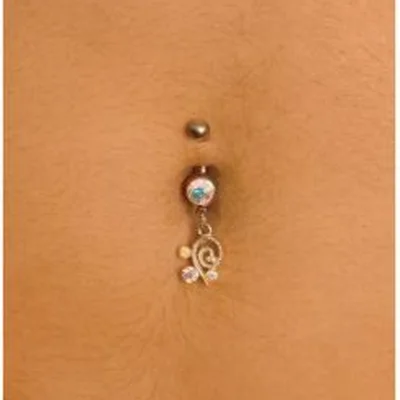
Old piercing holes, hypertrophic scars, or scarring from previous abdominal surgery can distort the navel shape. Reshaping excises damaged tissue and rebuilds the form.
Pregnancy stretches the abdominal wall and can leave the navel enlarged, asymmetric, or distorted. Reshaping restores a refined shape after recovery.
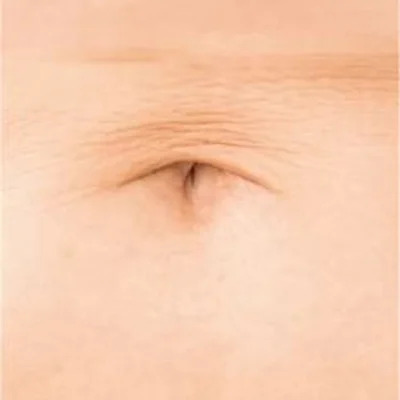
A horizontally-oriented navel looks wider and less refined. Reshaping converts it into an elegant vertical slit, which is considered the ideal aesthetic shape.
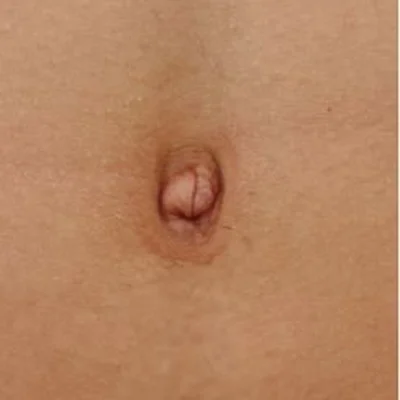
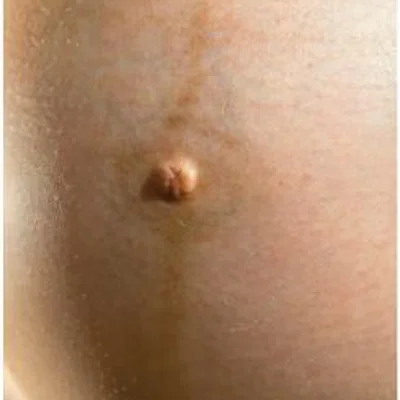
Also known as an "outie," a protruding navel is caused by a gap in the abdominal muscles or a small hernia. Reshaping closes the defect and anchors the navel inward.

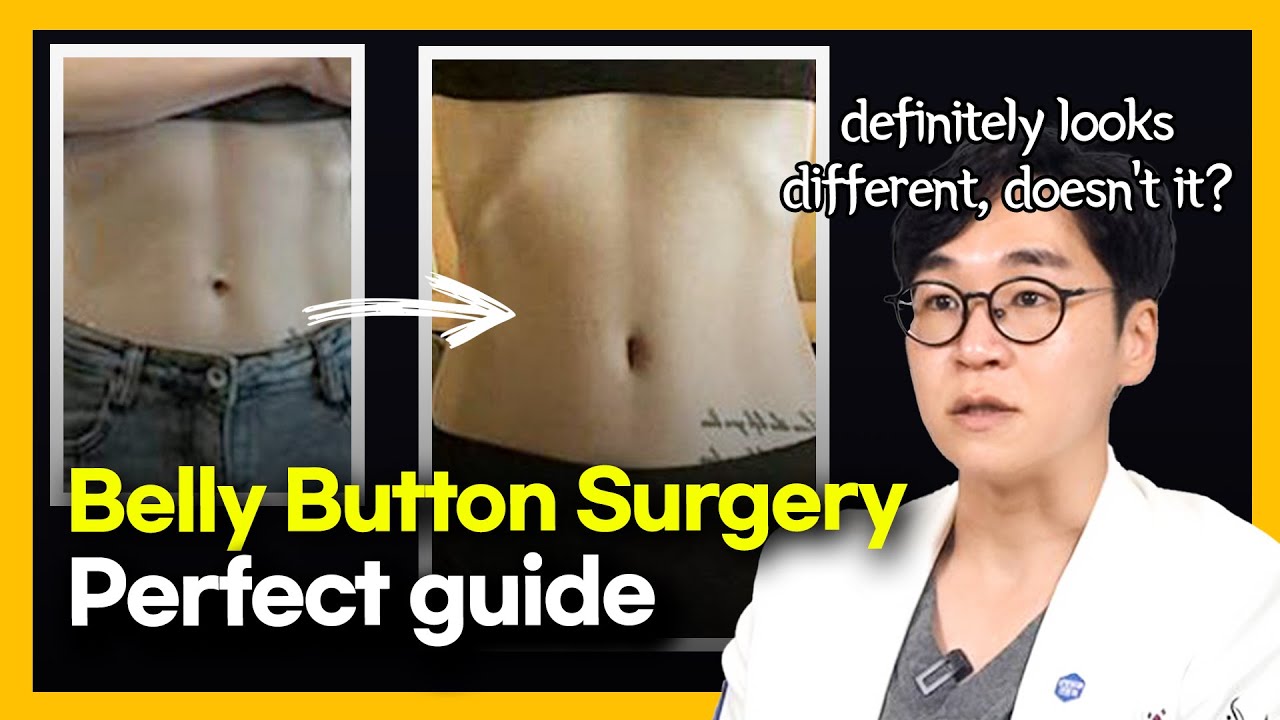
Watch Dr. Sung walk through the procedure, aftercare, and real cases.


Your surgeon analyzes your current navel shape, abdominal wall integrity, and aesthetic goals. The target shape and incision plan are designed individually for your anatomy.
Local anesthesia is applied around the navel, combined with light IV sedation for comfort. You remain comfortable throughout.
Excess skin is carefully excised, and the navel is repositioned. For protruding or post-pregnancy cases, the underlying rectus abdominis and peritoneum are reconstructed to prevent recurrence.
The navel is firmly anchored to the abdominal wall and closed with meticulous suturing so the scar hides within the natural navel crease. The final vertical slit shape is set.
Anyone unhappy with a protruding ("outie"), horizontal, stretched, or piercing-scarred navel is a candidate, as long as you are in good general health. If you plan to become pregnant soon, we recommend waiting until after childbirth for the best long-term result.
Umbilicoplasty is performed under local anesthesia around the navel combined with light sedation. You remain comfortable throughout the procedure (approximately 1 hour for standalone umbilicoplasty; longer if combined with other procedures) and return home the same day.
Excess skin and soft tissue are excised, and where needed the underlying abdominal fascia is reinforced to prevent recurrence. The navel is then firmly anchored to the abdominal wall and closed with meticulous suturing so the scar sits within the natural navel crease.
All incisions are placed inside the navel crease, so the scar is well hidden within the natural folds. While no surgery is completely scar-free, the scar typically fades to become very difficult to notice once fully healed.
During the procedure, local anesthesia ensures you feel no pain. After surgery, most patients experience mild soreness and tightness for a few days, which is managed with prescribed medication. Most describe it as very tolerable compared to other surgical procedures.
Most patients return to light daily activities within 3–5 days. Waterproof showering is allowed from day 3–4, stitches are removed around 7–14 days post-op, and strenuous exercise should be avoided for 3–4 weeks. Initial shape settles at 4–6 weeks, with the final result maturing over 6–12 months.
The reshaped navel is generally permanent when the underlying fascia is reinforced and the navel anchored properly — a step Link PS performs in every case. However, significant weight gain or future pregnancy can raise intra-abdominal pressure and may partially affect the result, which is why we recommend completing childbirth first.
Yes. Small umbilical hernias or minor protruding tissue can often be repaired during umbilicoplasty. Your surgeon will evaluate the extent of any hernia during consultation and explain whether it can be addressed in the same procedure.
Yes. Umbilicoplasty is commonly combined with liposuction, tummy tuck, or breast augmentation — especially for international patients who want to maximize the results of a single trip to Korea. Combined procedures are planned during consultation based on your goals and health.
Our surgeons tailor the navel into a natural-looking vertical slit shape, which is widely considered the most aesthetically ideal form. The final design — size, depth, and curve — is decided together with you during consultation based on your body proportions.
As with any surgery, risks include temporary swelling, bruising, and soreness (resolving in 1–2 weeks), as well as infection, asymmetry, hypertrophic scarring, changes in sensation around the navel, delayed healing, and the possibility of revision surgery. Serious complications are rare with experienced surgeons and proper aftercare. All risks are discussed in detail during consultation.
You should stop smoking at least 2–4 weeks before surgery, as smoking impairs healing. Avoid blood-thinning medications and supplements (aspirin, ibuprofen, vitamin E, fish oil) for 1–2 weeks prior. Your surgeon will provide a complete pre-operative checklist during consultation.
Umbilicoplasty reshapes only the navel itself and is far less invasive. A tummy tuck removes excess abdominal skin and tightens weakened muscles, and is more suitable for patients with significant loose abdominal skin after pregnancy or major weight loss.
We recommend a 7–10 day stay: surgery on day 1–2, a dressing check, and suture removal around day 7. Remote follow-up via WhatsApp video is available after you return home.
Before surgery, your care coordinator will explain the post-op follow-up system including remote check-ins via WhatsApp video, emergency contact options, and what steps to take if a concern develops after returning home. If revision is needed, the clinic will work with you on scheduling.
Send us your photos and goals. We'll typically reply within 24 hours with a personalized assessment.