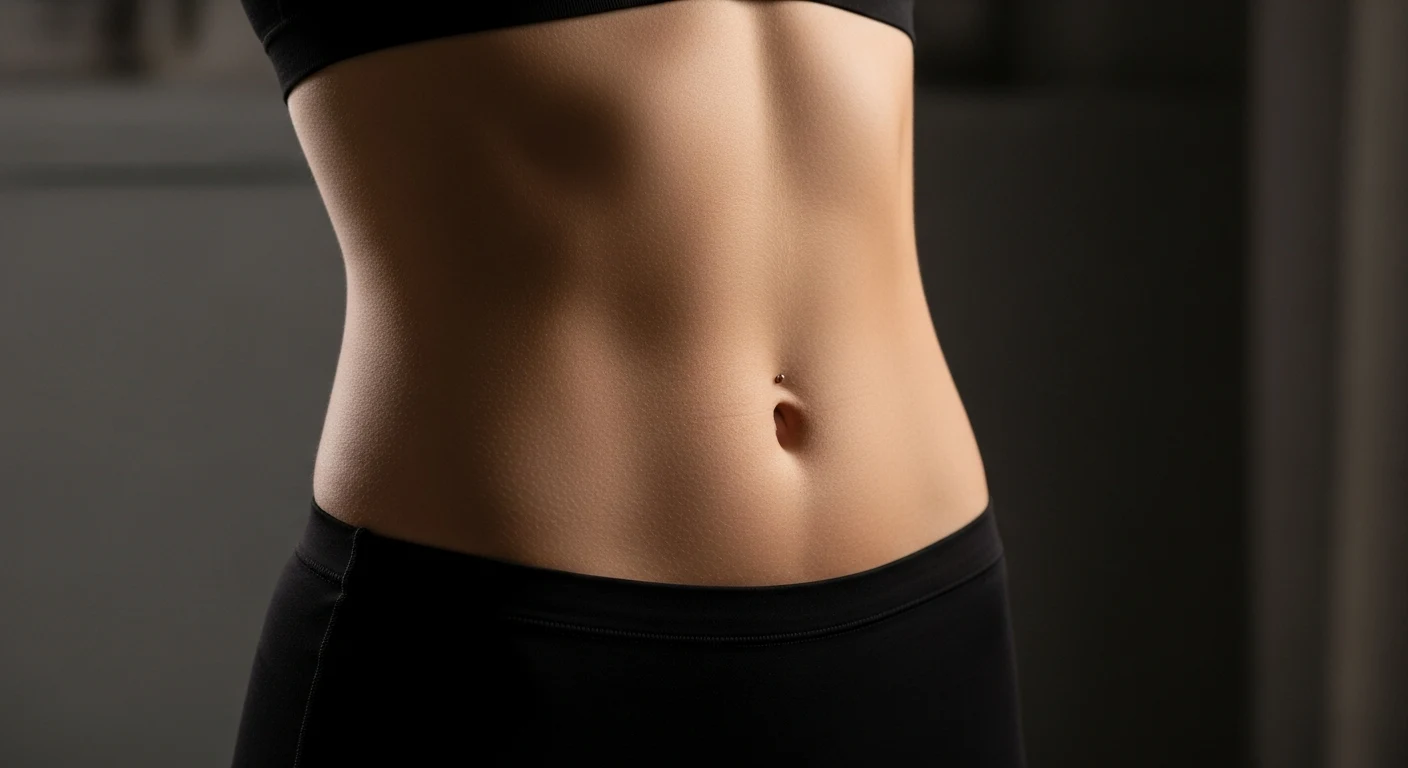
Tummy Tuck
The secret to a firm, smooth abdomen — when diet and exercise aren't enough.
The secret to a firm, smooth abdomen — when diet and exercise aren't enough.
Abdominoplasty (tummy tuck) is the most effective solution for sagging skin, stretch marks, and abdominal bulging caused by pregnancy, extreme dieting, aging, or lifestyle changes — conditions that liposuction alone cannot fix.
Link PS's Elastic Abdominoplasty combines tummy tuck + liposuction + belly button reshaping into a single procedure for a firm, toned abdomen with natural-looking results.
For sagging and stretch marks concentrated in the lower abdomen. Incision below the bikini line. Shorter recovery.
For sagging and stretch marks across the entire abdomen (upper + lower). Includes muscle tightening and navel repositioning.
1.5–2.5 hours depending on mini or full abdominoplasty.
IV sedation with dedicated in-house anesthesiologist.
1–2 weeks depending on type. Compression garment worn for 4–6 weeks. 3–4 follow-up visits.
Flat, firm abdomen with tightened muscles. Stretch marks on removed skin are on a long-term basis eliminated. Scar hidden in the bikini line.
A low incision is made inside the bikini line, designed to be hidden by underwear or swimwear.
Stubborn fat is removed via liposuction. Separated rectus abdominis muscles are sutured together to restore a firm, flat abdominal wall.
Upper abdominal skin is pulled downward, excess skin is removed, and the incision is closed with meticulous suturing for minimal scarring.
The belly button is repositioned and reshaped into a natural vertical slit — Link PS's signature umbilicoplasty technique — for a refined, natural result.

Good candidates include those with loose, sagging abdominal skin after pregnancy or major weight loss, stretch marks that extend across the lower or full abdomen, separated abdominal muscles (diastasis recti), or a bulging midsection that does not improve with diet and exercise.
A mini tummy tuck addresses sagging in the lower abdomen only, with a shorter incision and faster recovery. A full tummy tuck treats the entire abdomen — upper and lower — including muscle repair and navel repositioning. Your surgeon will recommend the best option based on your anatomy.
Yes — Link PS's Elastic Abdominoplasty combines tummy tuck, liposuction, and belly button reshaping into a single procedure. This achieves a more comprehensive result than any one procedure alone.
The incision is placed low along the bikini line, designed to be hidden by underwear or swimwear. For a full tummy tuck, a small scar around the navel is also present but fades significantly over time.
Stretch marks on the skin that is surgically removed will be on a long-term basis eliminated. Stretch marks above the navel may be improved as the skin is pulled downward, but cannot be guaranteed to disappear completely.
Mini tummy tuck: approximately 1–2 weeks before returning to light activities. Full tummy tuck: 3–4 weeks for basic daily function. A compression garment is worn for 4–6 weeks. Strenuous exercise should be avoided for 6–8 weeks. Full recovery with final contour takes 3–6 months. 3–4 follow-up visits are standard.
The procedure is performed under IV sedation, so you feel nothing during surgery. Post-operative tightness and soreness are common for the first 1–2 weeks and are managed with prescribed medication. Most patients describe it as manageable discomfort rather than severe pain.
If you plan to become pregnant in the near future, it is generally recommended to wait. Pregnancy after a tummy tuck can stretch the repaired muscles and skin, potentially reversing the results. However, a tummy tuck does not prevent future pregnancies.
As with any major surgery, risks include swelling, bruising, bleeding, infection, fluid collection (seroma), delayed wound healing, visible scarring, asymmetry, numbness in the abdominal area, and the need for revision. All risks are discussed in detail during consultation.
We recommend 14–21 days for a full tummy tuck (10–14 for mini). This allows time for early recovery, stitch removal, drain removal if needed, and clearance from your surgeon before flying. Flying too soon after major abdominal surgery increases the risk of deep vein thrombosis (DVT), so your surgeon will confirm when it is safe to travel.
Drains may be placed during surgery to prevent fluid collection (seroma) in the first few days. If used, they are typically removed within 5–7 days at a follow-up visit. Not all patients require drains — your surgeon will decide based on the extent of the procedure.
Any major surgery — especially abdominal procedures — temporarily increases the risk of deep vein thrombosis (DVT), which can be worsened by long-haul flights. To minimize risk, your surgeon will confirm when it is safe to fly, and may recommend compression stockings, hydration, and periodic movement during the flight.
Before surgery, your care coordinator will explain the post-op follow-up system including remote check-ins via WhatsApp video, emergency contact options, and what steps to take if a concern develops after returning home. If revision is needed, the clinic will work with you on scheduling and arrangements.
Send us your photos and goals. We'll typically reply within 24 hours with a personalized assessment.