
Breast Augmentation
Line, volume, and texture — all considered for the result you want.
Line, volume, and texture — all considered for the result you want.
Breast augmentation consistently ranks as the highest-satisfaction cosmetic procedure for women. Beyond size, the right implant selection delivers natural shape, soft texture, and a silhouette that fits your body.
At Link Plastic Surgery, every patient receives a personalized plan — because no two bodies are the same. We evaluate line, volume, and skin texture together to achieve the most natural result.
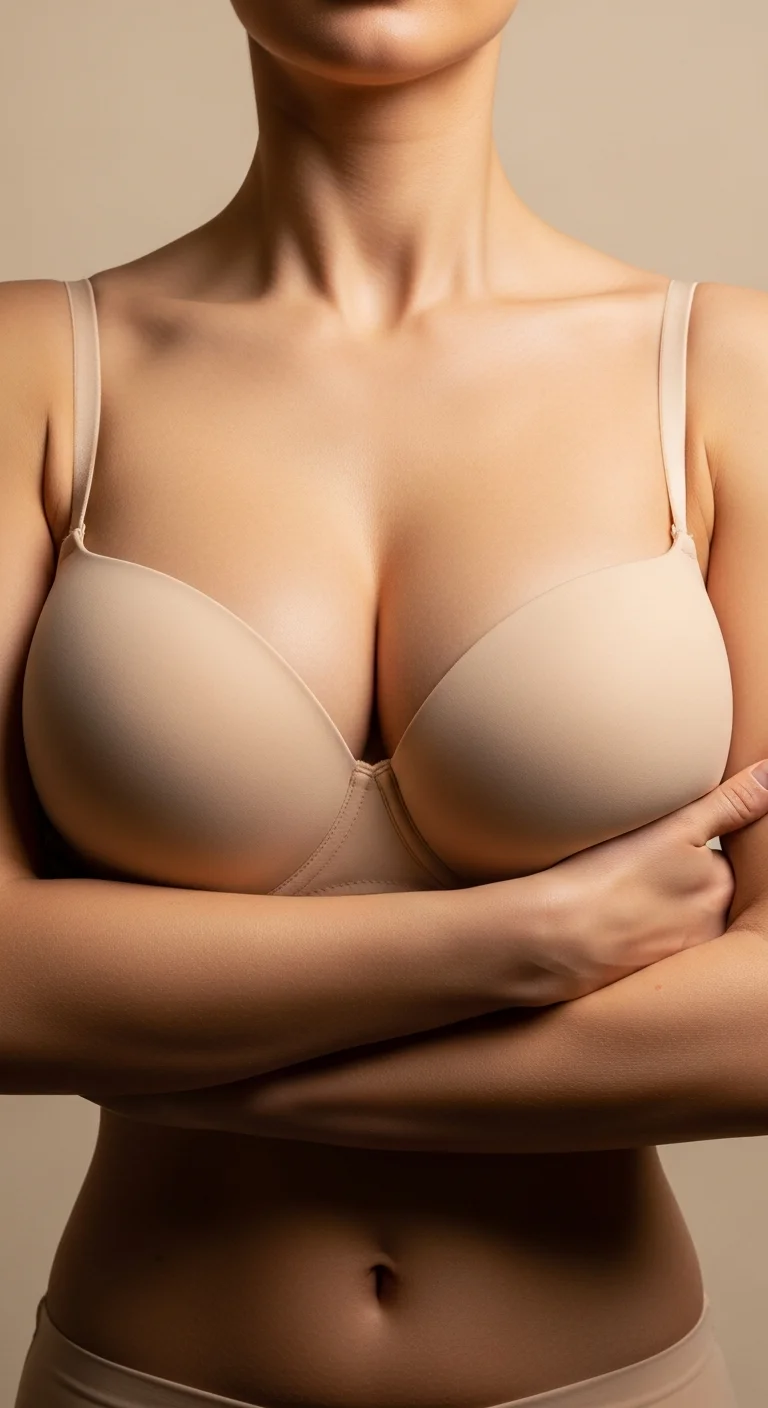
2–3 hours depending on implant type, incision method, and whether combined with fat grafting or lift.
IV sedation, managed by a dedicated in-house anesthesiologist throughout the procedure.
Light activities within 1–2 weeks. Surgical bra worn for 4–6 weeks. Full exercise from 6 weeks post-op.
Natural-looking volume, improved body line, and enhanced clothing fit. Implant results are long-lasting with proper care.
Incision along the natural crease under the breast. Provides the most direct access for precise implant placement and is the most commonly chosen method worldwide.
Incision hidden in the armpit fold. No visible scar on the breast itself. Preferred by patients who want zero chest scarring.
Implant inserted through the navel. The most distant scar from the breast. Suitable for saline implants and select silicone cases.
Implants differ by shape, shell texture, and filler material. Each brand offers a range from standard to premium. Your surgeon will recommend the best match based on your chest wall, tissue thickness, and desired outcome.
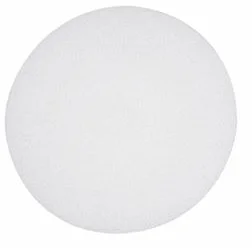
Fuller upper pole, maximum cleavage. The most popular choice for patients wanting noticeable volume.
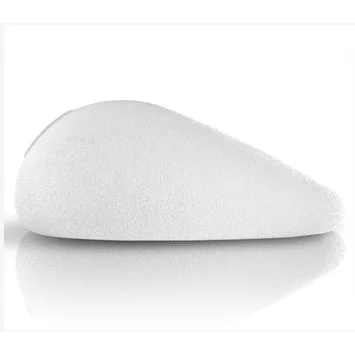
Mimics natural breast slope — more volume at the bottom, tapered at the top. Ideal for a subtle, natural look.
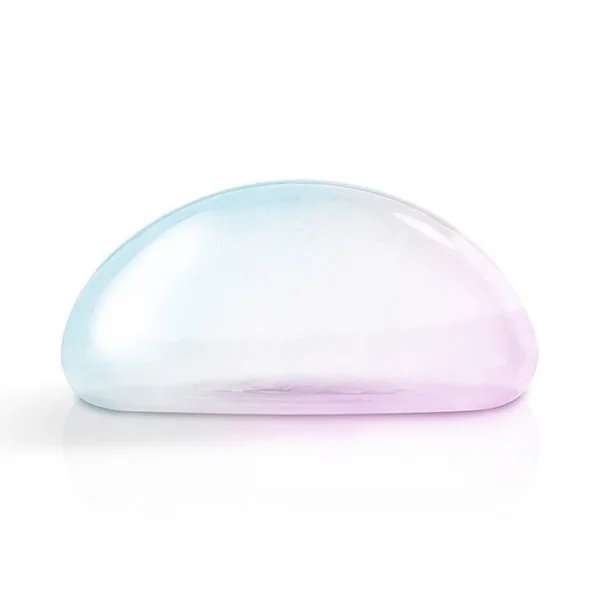
Soft, natural movement. Feels closest to real breast tissue.
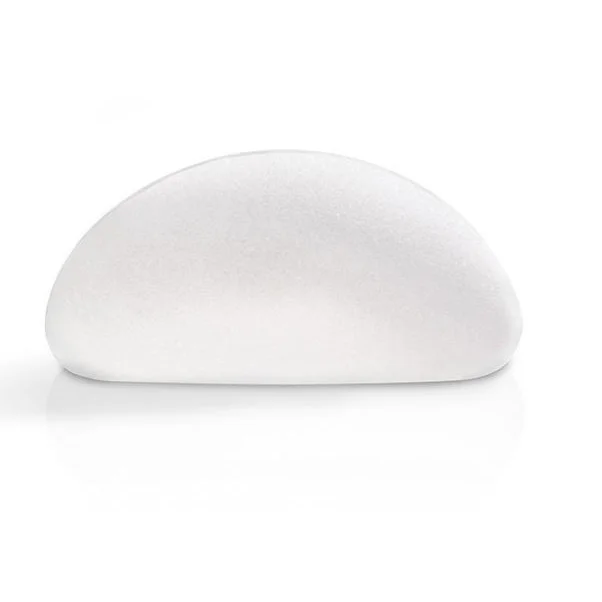
Fine surface texture that reduces rotation risk while maintaining a natural feel.
Regarded as the luxury standard in Korea. Progressive Gel filling with SmoothSilk shell for the softest feel.
The longest-established implant brand globally. Trusted safety record across decades of clinical use.
French-made premium implant. Known for a natural shape and excellent biocompatibility.
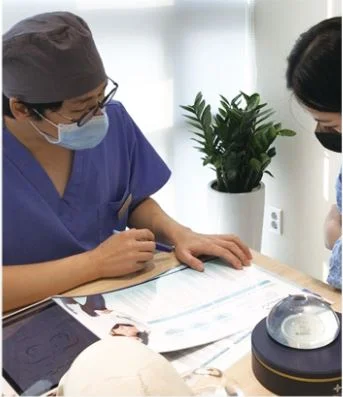
Your surgeon evaluates your chest wall width, tissue thickness, body proportions, and aesthetic goals. Trial sizers let you visualize the result before committing to surgery.
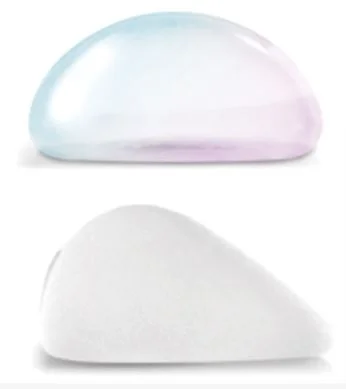
Based on your anatomy and desired outcome, the optimal implant brand, shape, size, and incision method are determined together with you.
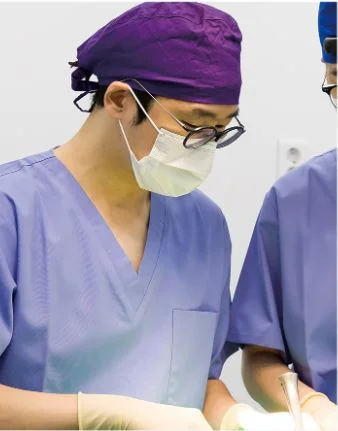
Performed under IV sedation with a dedicated anesthesiologist. The implant is placed in the optimal pocket — typically dual-plane or submuscular — for the most natural result. Surgery takes 2–3 hours.
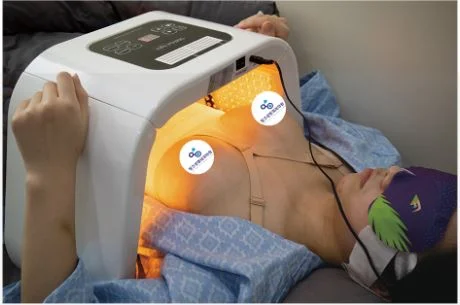
A surgical bra is worn for 4–6 weeks. Our 1:1 capsular contracture prevention program begins shortly after surgery with specialized equipment. Remote follow-up via WhatsApp video is available after returning home.
Good candidates are generally healthy adults with realistic expectations who want to improve breast volume, shape, symmetry, or upper-pole fullness. A consultation is needed to evaluate your anatomy, skin quality, medical history, and goals.
Implant selection is based on your chest width, existing breast tissue, skin elasticity, body proportions, and the look you want. Your surgeon may use sizers or imaging to help you visualize different options. The goal is not simply choosing the largest implant, but selecting a size and profile that fits your anatomy safely and gives a balanced result.
Round implants provide more upper-pole fullness and can enhance cleavage. Teardrop (anatomical) implants are designed with more fullness in the lower part of the breast for a gentler slope. However, the final look depends not only on implant shape, but also on your natural breast tissue, skin quality, and placement. Round implants can also look very natural in many patients. Anatomical implants may carry a small risk of shape distortion if rotation occurs.
Implants can be placed above the chest muscle (subglandular), below it (submuscular), or in a dual-plane position. Placement affects the final shape, recovery time, rippling visibility, and how natural the result looks and feels. The best option depends on your existing breast tissue, skin thickness, and implant choice. Your surgeon will recommend the safest and most natural-looking placement for your anatomy.
No breast augmentation incision is completely scar-free. The inframammary fold (IMF) incision places the scar in the crease under the breast, where it is often well concealed. The axillary (armpit) incision avoids a scar on the breast itself. The periareolar incision places the scar along the edge of the areola. The best option depends on your anatomy, implant choice, scar tendency, and surgical plan.
The surgery is performed under IV sedation, so you feel nothing during the procedure. After surgery, most patients experience tightness, pressure, and soreness rather than severe sharp pain. Discomfort is often more noticeable in the first few days and gradually improves. Pain level varies depending on implant placement, surgical technique, and individual sensitivity, and is usually manageable with prescribed medication.
Most patients can do light daily activities within a few days, but swelling and tightness can last several weeks. Return to desk work depends on the individual, while strenuous exercise, heavy lifting, and upper-body workouts usually need to be delayed for 4–6 weeks. A surgical bra is worn during this period. Your surgeon will give specific instructions based on your procedure.
Many women are still able to breastfeed after breast augmentation. The chance of preserving breastfeeding function is generally better when surgical techniques avoid significant injury to the milk ducts and nerves — axillary and inframammary incisions carry the lowest risk. However, breastfeeding ability varies from person to person and surgery cannot guarantee it. Discuss this during consultation if it is important to you.
Capsular contracture occurs when the natural scar capsule around an implant becomes unusually tight, which can make the breast feel firm or look distorted. Risk can be reduced through meticulous sterile technique, proper implant handling, careful pocket dissection, and appropriate follow-up. However, it cannot be prevented completely, and some patients may still develop it over time. Postoperative care protocols depend on your implant type and surgical method.
Breast implants are not considered lifetime devices. Some patients keep the same implants for many years, while others may need replacement due to rupture, capsular contracture, implant malposition, rippling, or changes in their body or preferences. There is no automatic expiration date, but regular follow-up — including periodic imaging to check for silent rupture — is important.
Yes. Both saline and silicone implants can rupture over time. Saline rupture is usually noticeable quickly because the breast loses volume. Silicone rupture may be less obvious ("silent rupture") and sometimes requires ultrasound or MRI to detect. Treatment typically involves implant removal or replacement.
Breast implants can affect standard mammogram views, so you should always inform the imaging center that you have implants. Specialized techniques can often improve visualization. Breast augmentation does not increase breast cancer risk and does not replace routine screening appropriate for your age and risk level.
As with any surgery, breast augmentation carries risks including swelling, bruising, bleeding, infection, fluid collection, delayed healing, visible scarring, asymmetry, implant malposition, rippling, capsular contracture, changes in nipple or breast sensation, implant rupture, and the possible need for future revision surgery. Rare implant-related conditions — including BIA-ALCL, associated mainly with certain textured implants — should also be discussed during consultation. All risks are reviewed in detail before surgery.
Yes. Breast augmentation is sometimes combined with a breast lift (mastopexy), fat grafting for additional contouring (hybrid augmentation), or body procedures such as liposuction. Whether procedures can be combined safely depends on your anatomy, overall health, recovery considerations, and total operating time.
Most international patients stay 7–10 days. This allows time for the first follow-up check, stitch care, and clearance from your surgeon to fly safely. The exact timing depends on your recovery and whether additional procedures were combined. You should not lift heavy luggage or reach above your head for several weeks after surgery. We recommend traveling with a companion if possible.
Before surgery, your care coordinator will explain the post-op follow-up system including remote check-ins via WhatsApp video, emergency contact options, and what steps to take if a concern develops after returning home. If revision is needed, the clinic will work with you on scheduling and arrangements.
Send us your photos and goals. We'll typically reply within 24 hours with a personalized assessment.