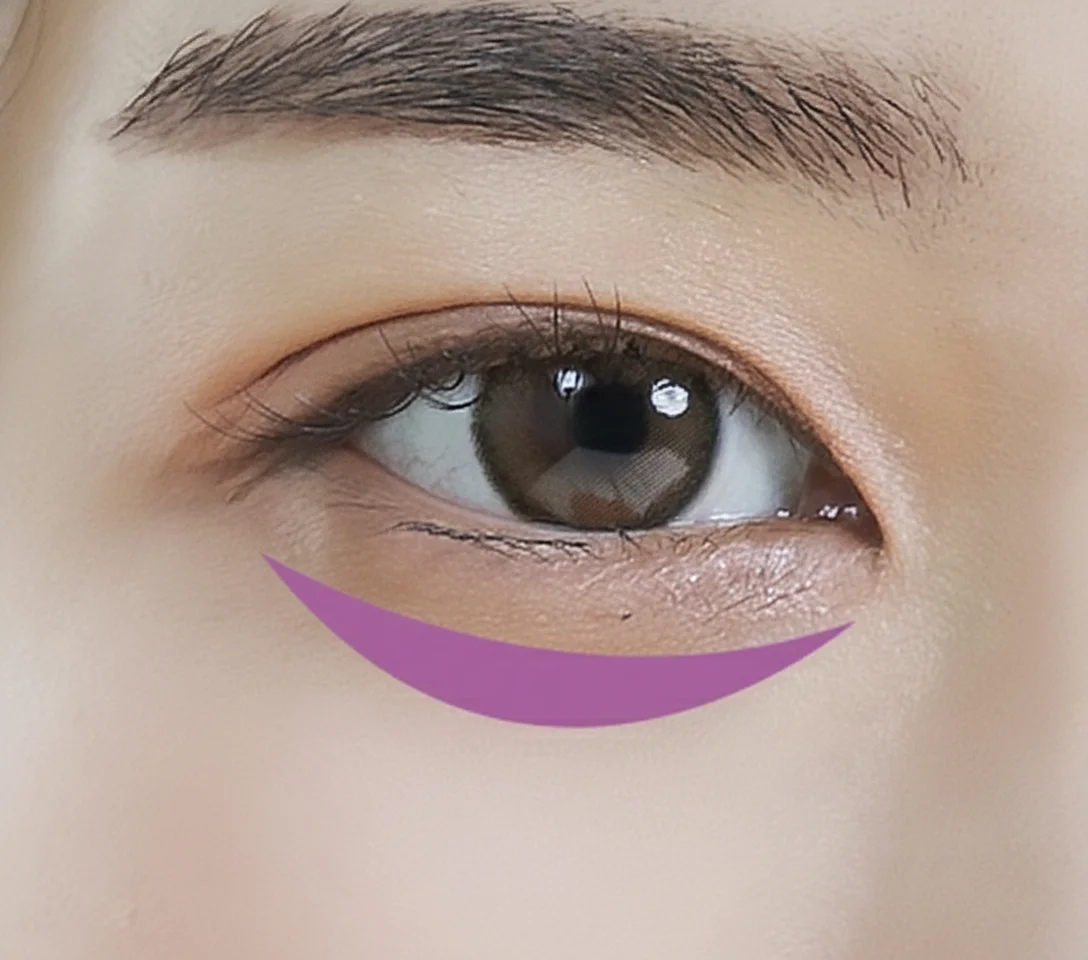
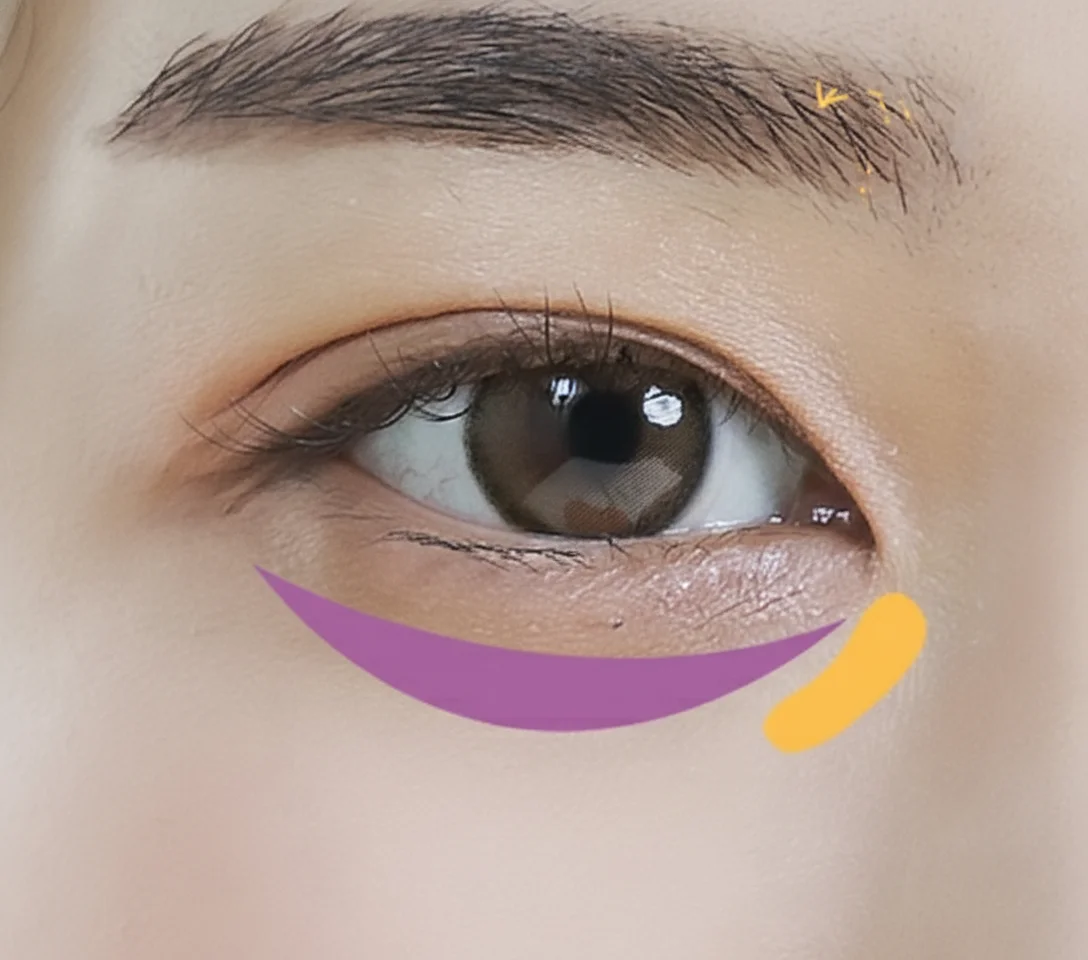
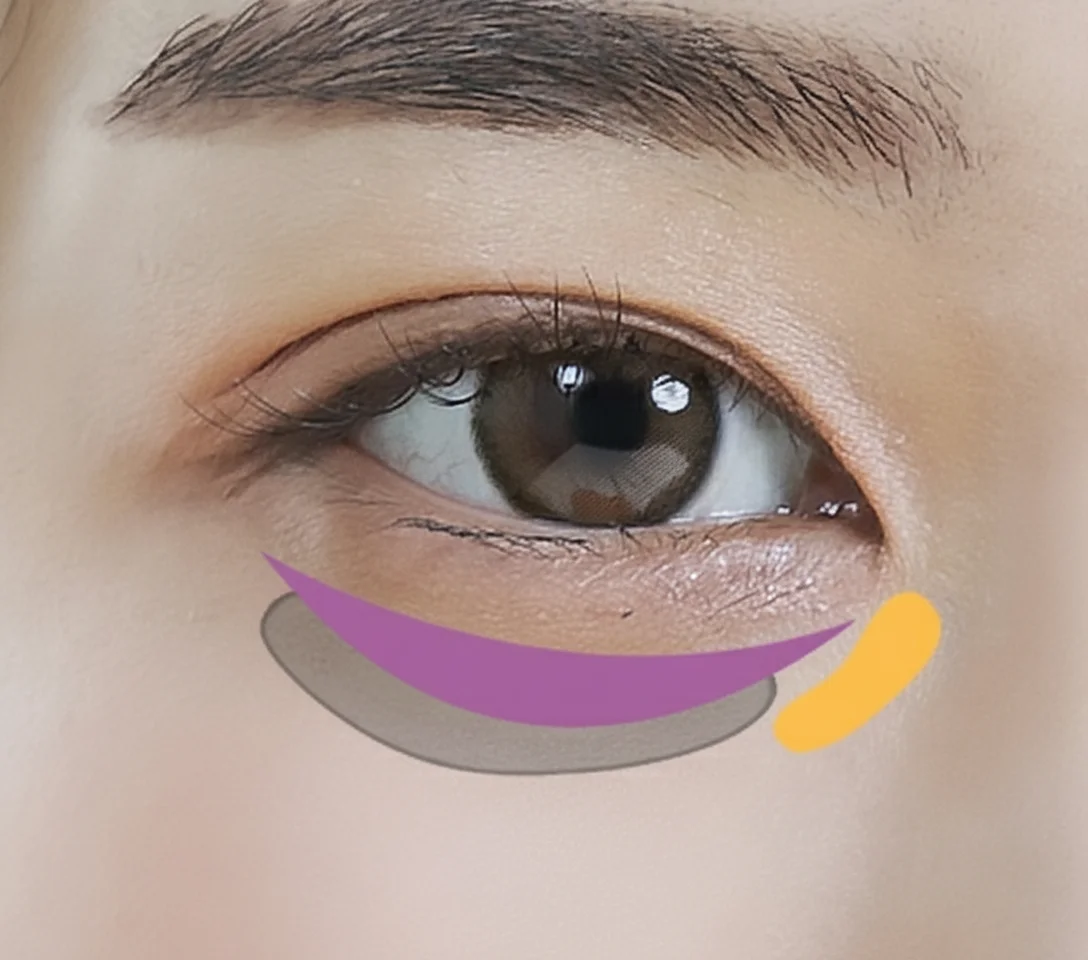
Under Eye Fat Repositioning
Eliminate dark circles and under-eye bags on a long-term basis. Transconjunctival approach — minimal visible scarring in most cases, 30-minute procedure.
Eliminate dark circles and under-eye bags on a long-term basis. Transconjunctival approach — minimal visible scarring in most cases, 30-minute procedure.
Under eye fat repositioning resolves dark circles and under-eye bags by redistributing bulging orbital fat into hollow tear trough areas. Unlike simple fat removal, repositioning preserves volume where it's needed, creating a smooth, youthful contour. Performed entirely through the inside of the lower eyelid (transconjunctival approach), there are no external incisions and minimal visible scarring in most cases.
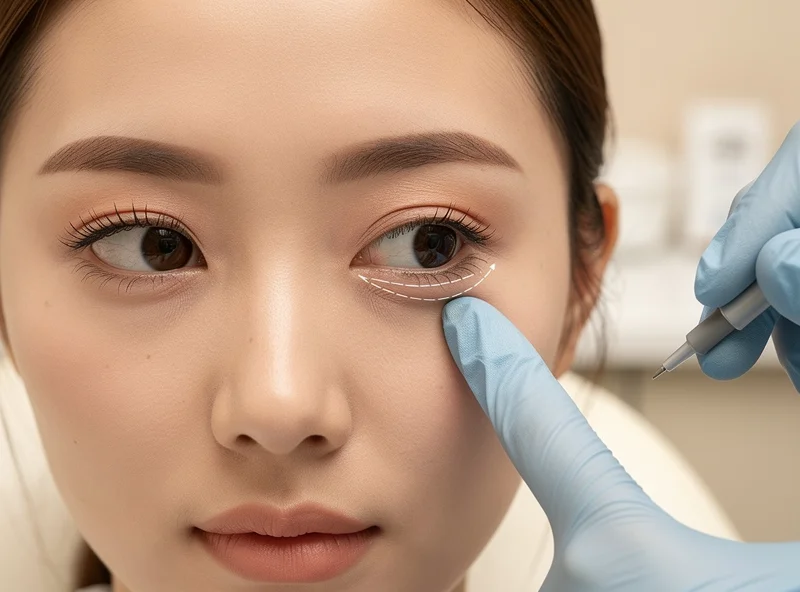
Approximately 30 minutes. Performed via transconjunctival approach — no external incisions or skin-surface scars.
IV sedation (twilight sleep). You remain comfortable throughout.
Bruising and mild swelling for 5–7 days. No external sutures — seamless technique eliminates stitch removal. Most patients return to daily activities within one week.
Permanent structural improvement. Repositioned fat integrates with surrounding tissue and does not return to its original position. Full brightening effect visible at 4–6 weeks.
Suitability depends on individual anatomy. Not all dark circles are caused by fat bulging — a consultation is needed to determine the best approach.
Fat Removal vs. Fat Repositioning vs. Lower Blepharoplasty
Three different approaches for under-eye concerns. Your surgeon will recommend the best option based on your anatomy.
Best for:
Patients with only protruding under-eye fat and no significant hollowing or tear trough depression.
How it works:
Excess fat is removed through the inner eyelid to reduce puffiness. Simple and effective when hollowness is not a concern.
Consideration:
Removing too much fat may contribute to a hollow appearance over time, especially as the face ages.
Best for:
Patients with both protruding fat and a sunken tear trough. The most common scenario for under-eye aging.
How it works:
Bulging fat is redistributed into the hollow tear trough area, preserving volume while smoothing the contour. No external incision.
Advantage:
Addresses bags and hollows simultaneously using your own tissue. Long-lasting, natural results.
Best for:
Patients with protruding fat, deep tear troughs, and significant skin sagging or laxity beneath the eyes.
How it works:
Combines fat repositioning or removal with excess skin excision. A more comprehensive approach for advanced aging.
Consideration:
Slightly longer recovery due to external incision. Stitch removal required at 5–7 days.
All incisions are made inside the lower eyelid, completely hidden from view. Our seamless suturing technique means no external stitches and no stitch removal visit. The fat pads are carefully separated, repositioned into the tear trough depression, and secured in their new position for permanent correction.
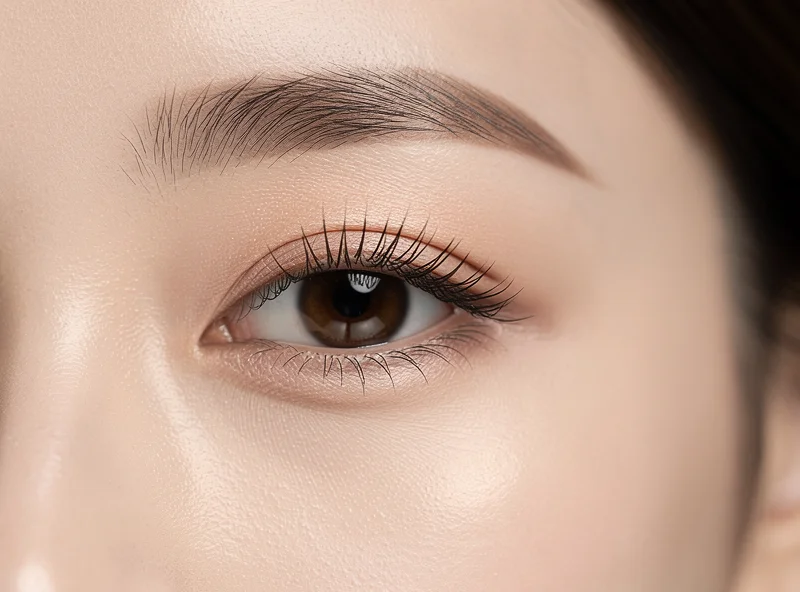

Your surgeon evaluates the degree of fat herniation, tear trough depth, skin elasticity, and bone structure. A personalized plan determines how much fat to reposition versus remove.
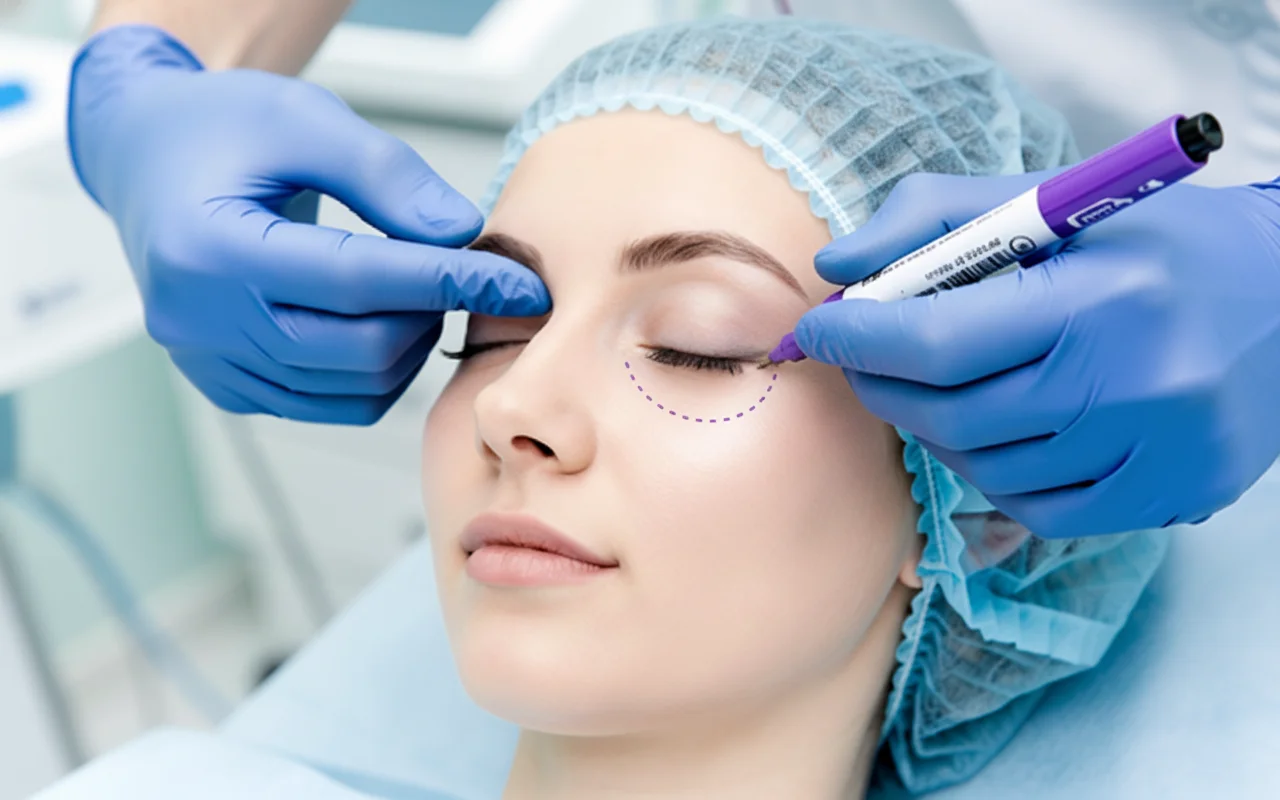
The surgeon maps the fat compartments and identifies the exact areas of excess and deficit. The redistribution plan is tailored to create a smooth, natural under-eye contour.
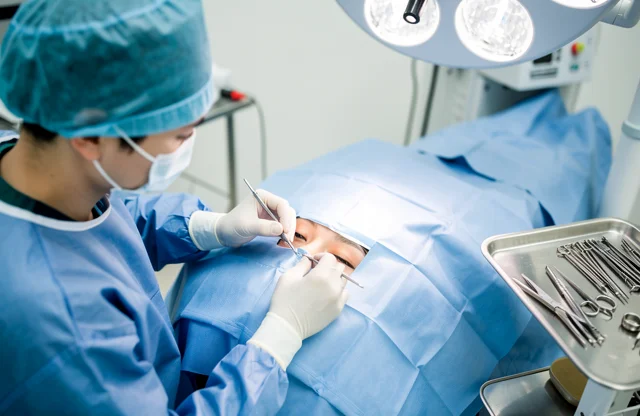
Under IV sedation, the surgeon accesses the fat pads through the inner eyelid. Excess fat is carefully released, repositioned into the tear trough, and secured. Seamless suturing — no stitch removal needed. Approximately 30 minutes.

Cold compresses and head elevation for the first 2–3 days. No stitch removal visit required. Follow-up at 5–7 days. Most bruising resolves within one week. The final smooth contour and brightening effect settle at 4–6 weeks.
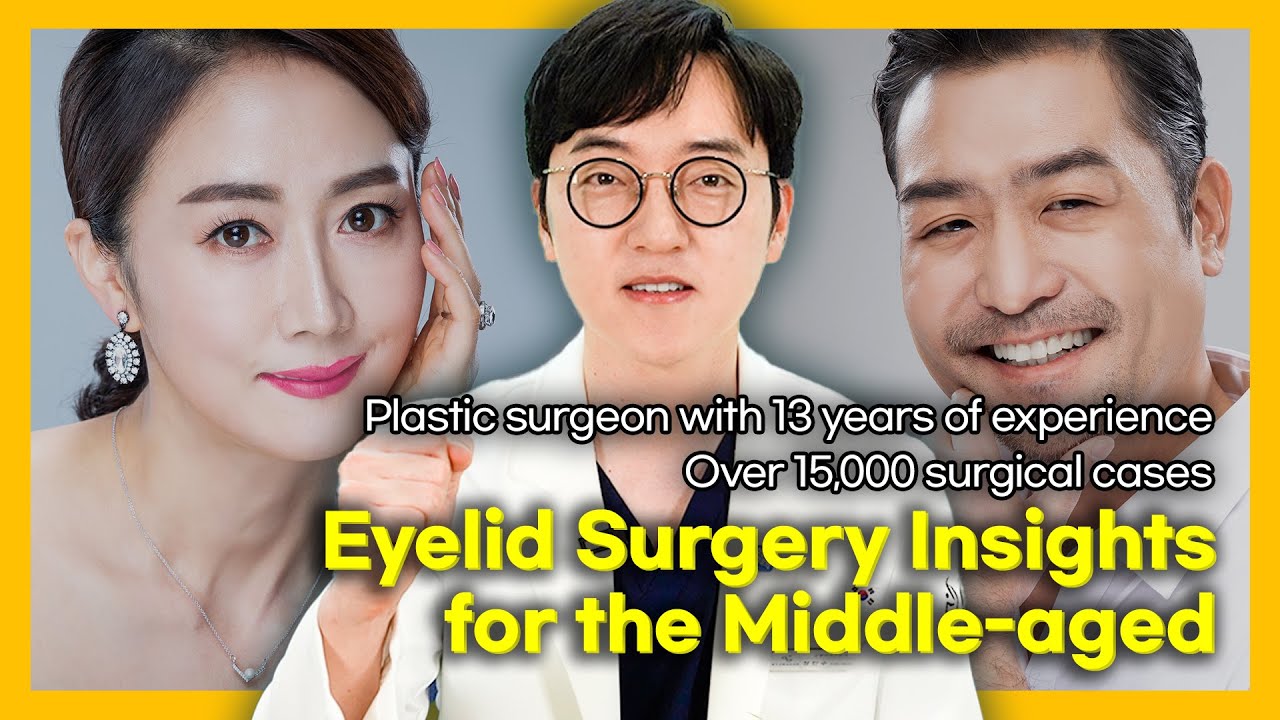
Our surgeons explain procedures, share insights, and discuss real patient cases.


Traditional fat removal reduces the bulging under-eye fat, but if too much is removed, it may contribute to a hollow appearance over time — especially as the mid-face loses volume with age. Fat repositioning preserves and redistributes part of the protruding fat into the tear trough, addressing both puffiness and hollowness in a single procedure. In some cases, partial removal combined with repositioning may be the best approach. Your surgeon will determine the right balance based on your anatomy.
In most cases, the procedure is performed entirely through the inside of the lower eyelid (transconjunctival approach), so there is usually no visible external scar. Our seamless suturing technique also eliminates the need for stitch removal. However, patients with significant skin laxity may require an additional external procedure, which your surgeon will discuss during consultation.
Results are generally long-lasting. Once repositioned, the fat integrates with surrounding tissue and heals into place — it does not return to its original position. However, no procedure can completely stop the natural aging process. Over many years, some patients may develop new contour changes due to ongoing skin laxity or volume shifts. The structural improvement from repositioning is maintained, but periodic assessment is recommended.
Yes, depending on your anatomy. Fat repositioning is often combined with lower blepharoplasty when skin laxity also needs to be addressed. In selected patients, it may also be combined with upper eyelid surgery or mid-face fat grafting to restore overall facial harmony. Combined procedures may increase initial swelling and recovery time. Your surgeon will recommend only what is anatomically necessary.
Most patients experience noticeable swelling and bruising during the first week, although recovery varies individually. Since there are usually no external stitches with the transconjunctival approach, downtime may be shorter than with external incisions. We recommend staying in Seoul for 5–7 days for your follow-up visit. Some residual swelling may persist for several weeks, and the final smooth contour typically settles at 3–6 months.
The procedure is performed under local anesthesia with IV sedation (twilight sleep), so most patients feel little to no pain during surgery. Mild pressure or discomfort may occur. After surgery, temporary soreness, a tight sensation, dryness, and mild eye irritation are common for the first few days and are manageable with prescribed medication.
It depends on the cause. If your dark circles are primarily due to a deep tear trough creating shadow, fat repositioning can fill that area effectively. However, dark circles are often multifactorial — skin pigmentation, visible blood vessels beneath thin skin, or bone structure can also contribute. If non-structural causes are dominant, additional or alternative treatments such as laser, PRP, or skin boosters may be more appropriate. A consultation will determine the best approach for your specific case.
Before departure, our team provides a comprehensive aftercare kit and detailed instructions. We offer online follow-up consultations via WhatsApp so our doctors can monitor your healing remotely with photo-based assessments. You have a dedicated coordinator throughout your recovery. If you experience severe pain, sudden vision changes, unusual swelling, or bleeding after returning home, seek in-person medical evaluation at a local emergency room immediately.
As with any surgical procedure, risks include temporary swelling, bruising, asymmetry, under- or over-correction, dry eyes, and mild irritation. More rare complications such as prolonged edema, contour irregularity, or lower eyelid retraction are uncommon but possible. Serious complications like retrobulbar hematoma are uncommon. Your surgeon will review your individual risk factors during consultation and take every precaution to minimize complications.