
Double Eyelid Surgery
Create a natural, defined crease that enhances your eyes while respecting your ethnic identity. Both incisional and non-incisional methods available.
Create a natural, defined crease that enhances your eyes while respecting your ethnic identity. Both incisional and non-incisional methods available.
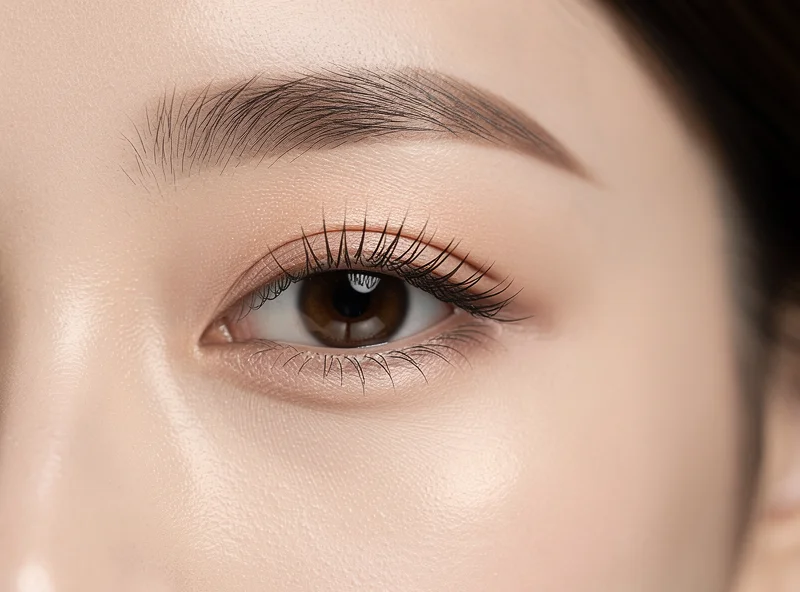
Double eyelid surgery at Link Plastic Surgery in Gangnam, Seoul creates a natural crease line tailored to each patient's eyelid anatomy. Board-certified surgeons select between non-incisional (buried suture) and incisional techniques based on skin thickness, fat volume, and the patient's aesthetic goals — both performed under sedation in 30–60 minutes.
30–60 minutes. Non-incisional cases are typically shorter; incisional or combined procedures may take up to 90 minutes.
Local anesthesia with optional light IV sedation.
Initial swelling resolves in 7–10 days. Most patients return to work within 1–2 weeks. The crease settles over 3–6 months.
Incisional results are permanent. Non-incisional sutures are long-lasting but may gradually relax over years depending on skin type.
Sutures attach the skin to the levator muscle through 3–5 micro-holes — no cutting involved.
An incision along the crease line removes excess muscle, fat, and skin for a precisely defined fold.
Your surgeon recommends a crease style based on your bone structure, skin thickness, and aesthetic goals. From subtle to dramatic — every option is designed to enhance, not alter, your natural expression.
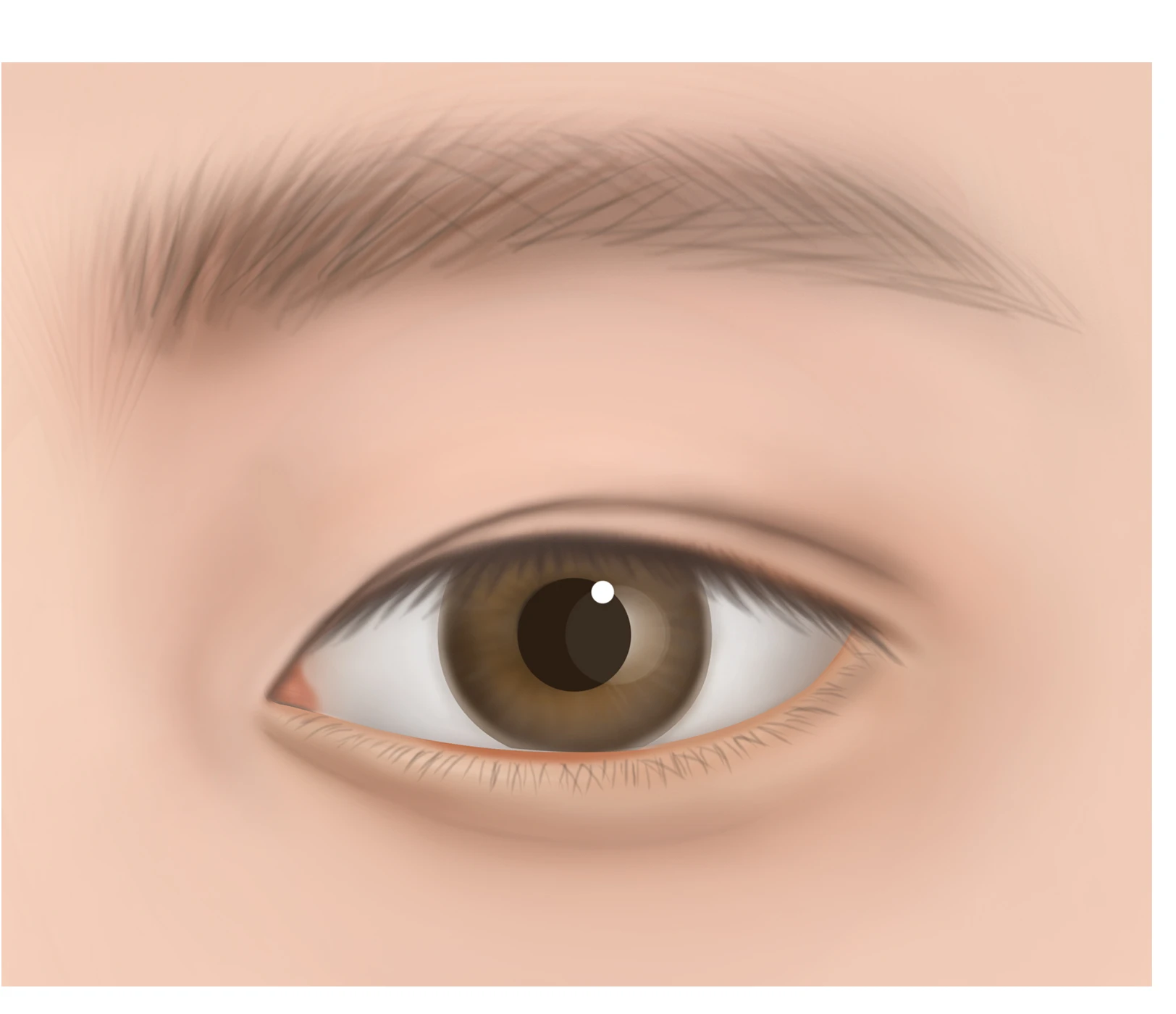
Crease begins behind the Mongolian fold, visible from mid-eye outward. The most subtle, natural option.
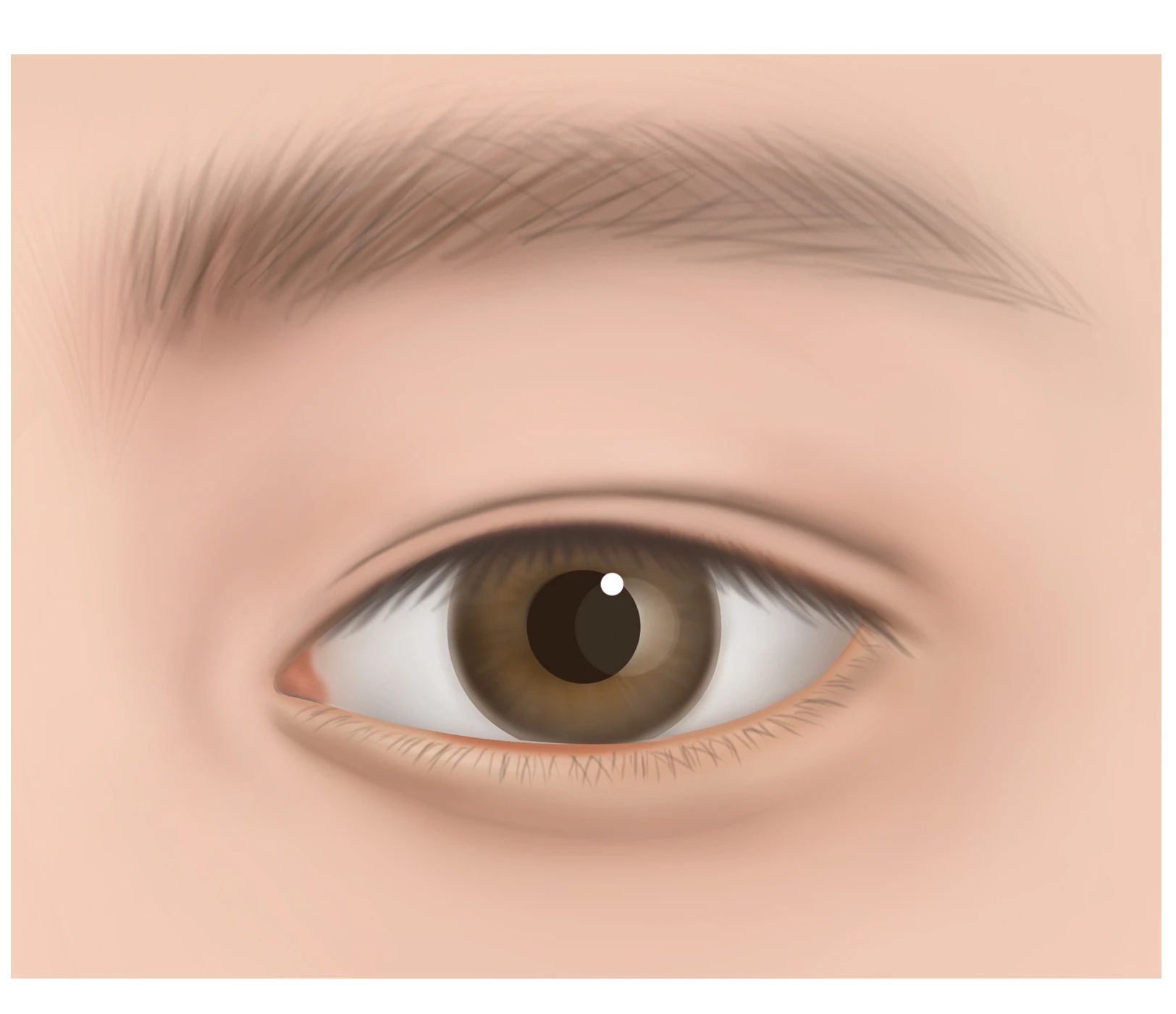
Starts at the inner corner, gradually widens outward. A balanced look that suits most face shapes.
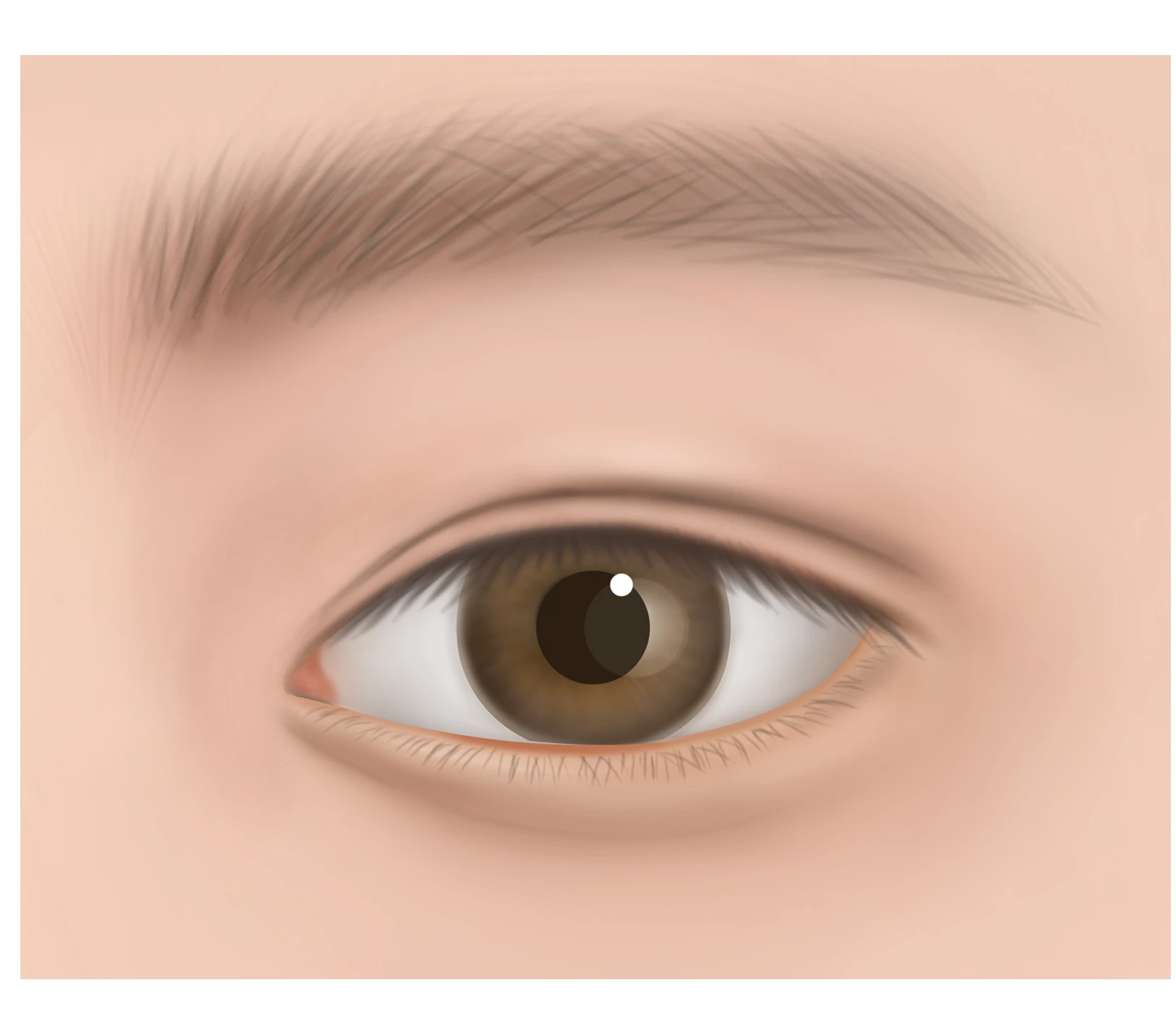
Modified outer line with moderate height. Natural yet noticeable — the most popular choice among international patients.
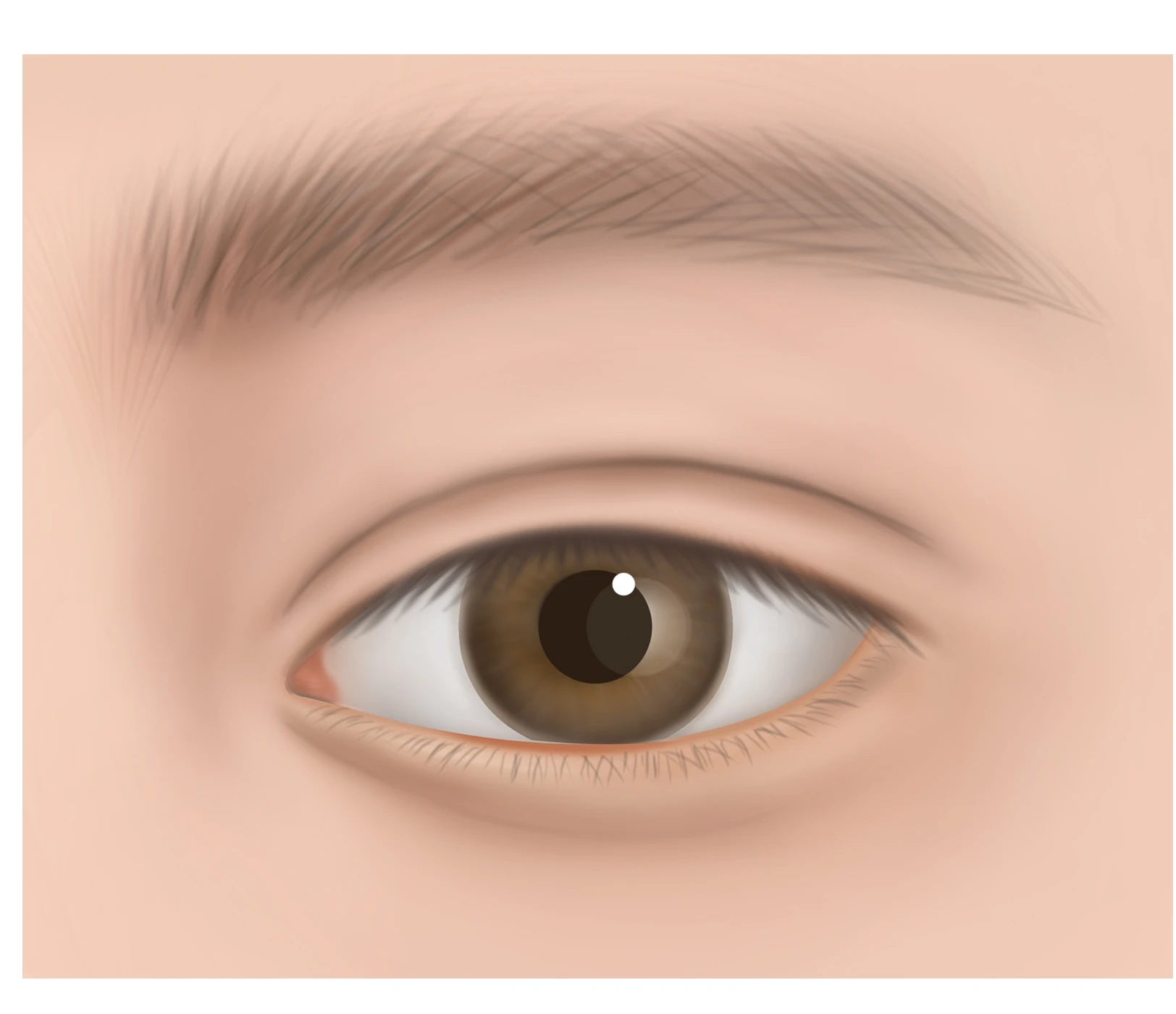
Wide, dramatic crease for a bold, defined look. Best for patients who prefer a more noticeable appearance.

Your surgeon assesses eye shape, skin thickness, fat volume, and muscle strength. Together you discuss goals and determine the best method and crease style.
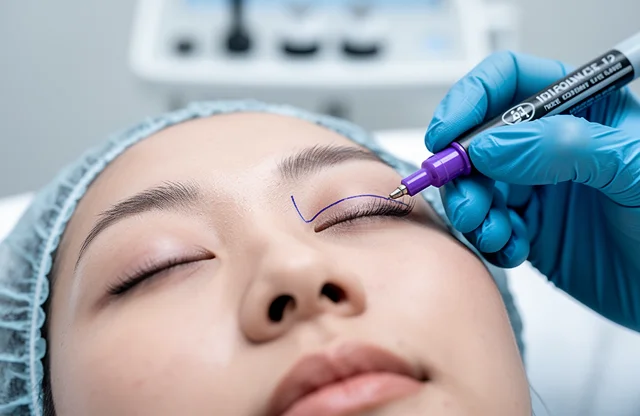
A custom crease line is drawn based on your facial proportions. The surgeon considers your overall balance — not just the eyes — to ensure harmony.
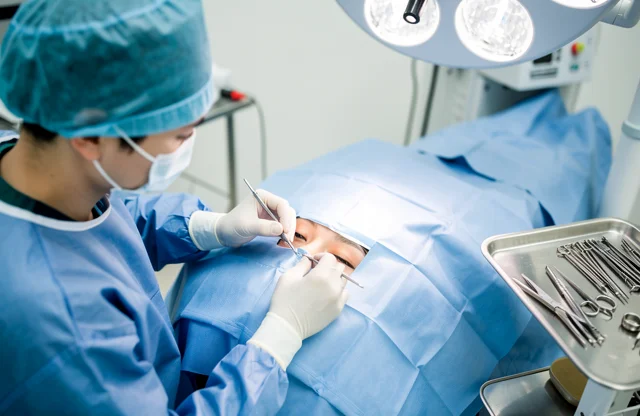
Performed under local anesthesia with sedation. A board-certified plastic surgeon and anesthesiologist work together throughout the procedure.

Follow-up visits with your attending surgeon. Stitch removal at 5–7 days for incisional cases. Cold compresses and head elevation during initial recovery.
Our surgeons explain procedures, share insights, and discuss real patient cases.


The best method depends on your eyelid anatomy. Non-incisional (suture method) suits patients with thin skin, minimal fat, and little laxity — offering faster recovery and minimal scarring. Incisional is recommended for thicker skin, excess fat, asymmetry, or when a more defined, longer-lasting crease is desired. Your surgeon will assess and recommend during consultation.
Yes. It is commonly combined with ptosis correction to improve eyelid opening, or epicanthoplasty to adjust the inner corner of the eye. Fat removal or repositioning may also be performed to refine the crease shape. Your surgeon will advise the best combination based on your anatomy and goals.
Double eyelid surgery creates or refines an upper eyelid crease. Ptosis correction treats drooping by adjusting the eyelid-lifting muscle, improving how open the eyes appear. While double eyelid surgery changes the crease, ptosis correction changes eye exposure. Many patients benefit from having both together.
Non-incisional methods leave minimal visible scarring — only tiny entry points that fade quickly. For incisional surgery, the incision is placed along the natural crease line and is hidden within the fold when your eyes are open. Redness fades within 3–6 months, and the scar typically matures into a faint line by 12 months.
Initial swelling resolves in 7–10 days. For non-incisional, a stay of 3–4 days may be sufficient. For incisional, we recommend 5–7 days for stitch removal and follow-up. Most patients return to work within 1–2 weeks. Final results settle over 3–6 months.
As with any surgery, risks include swelling, bruising, asymmetry, under- or over-correction, scarring, and the need for revision. With non-incisional methods, the crease may loosen over time in some patients. Your surgeon will review your individual risk factors during consultation.
Most procedures are performed under local anesthesia with light IV sedation (twilight sedation). You may feel pressure during the procedure but no pain. Temporary soreness and tightness afterward are normal and manageable with prescribed medication.
Before departure, our team provides a comprehensive aftercare kit and detailed instructions. We offer online follow-up consultations via WhatsApp so our doctors can monitor your healing remotely. You have a dedicated coordinator throughout your recovery.
Send us your photos and goals. We'll typically reply within 24 hours with a personalized assessment.