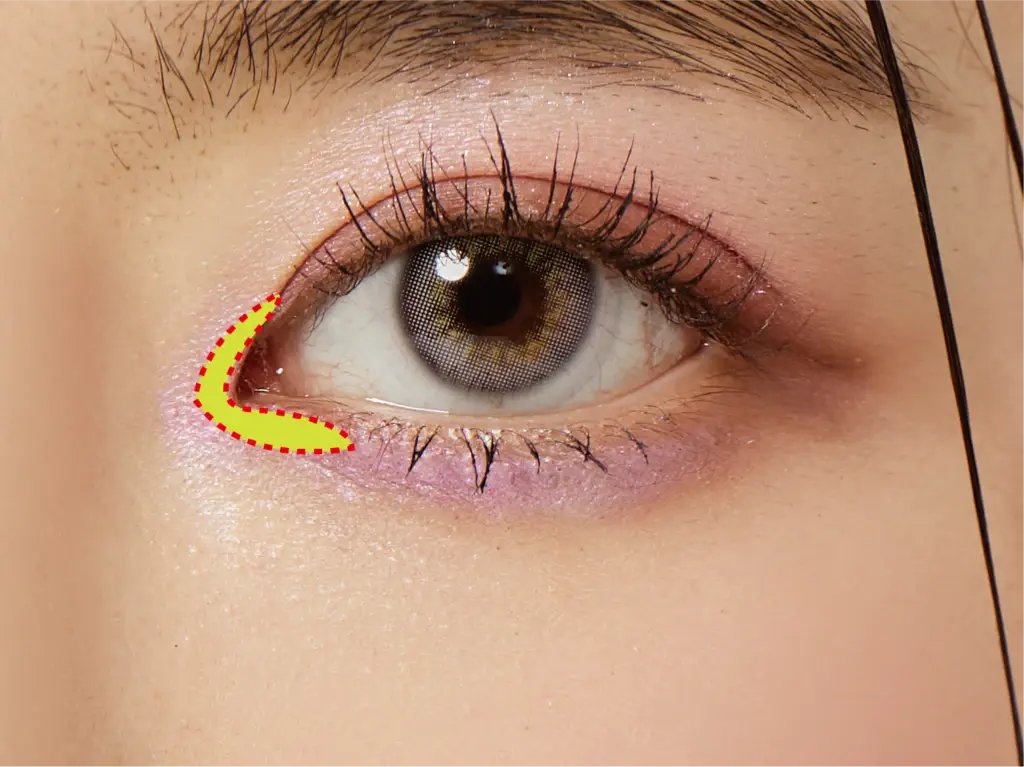
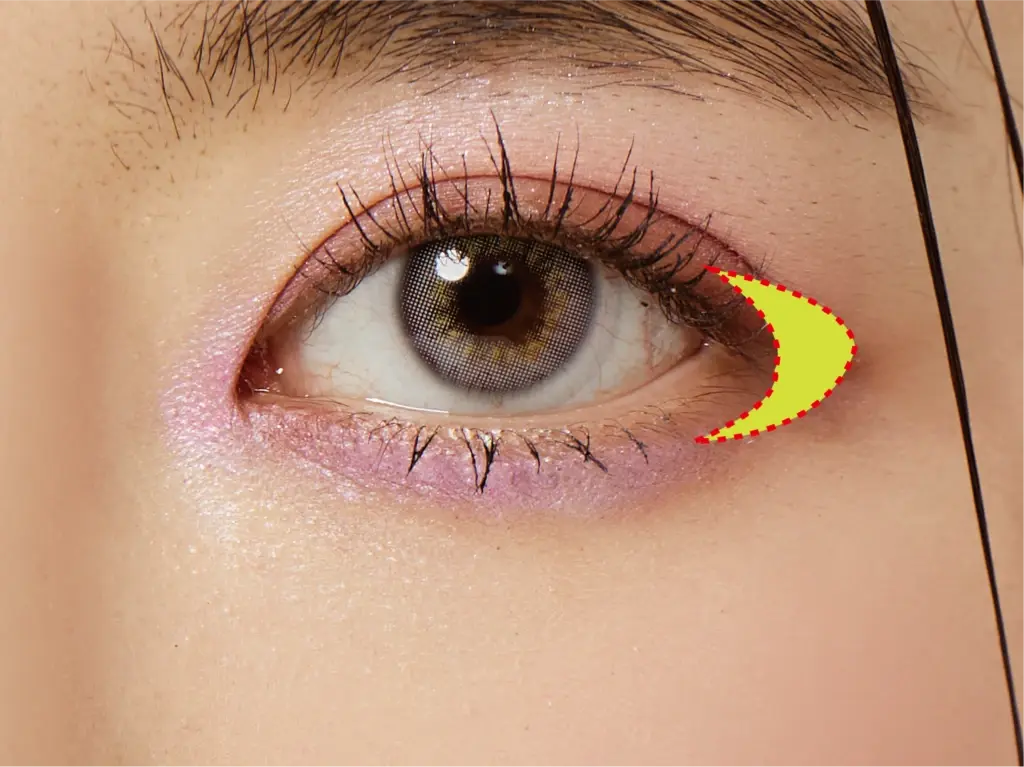
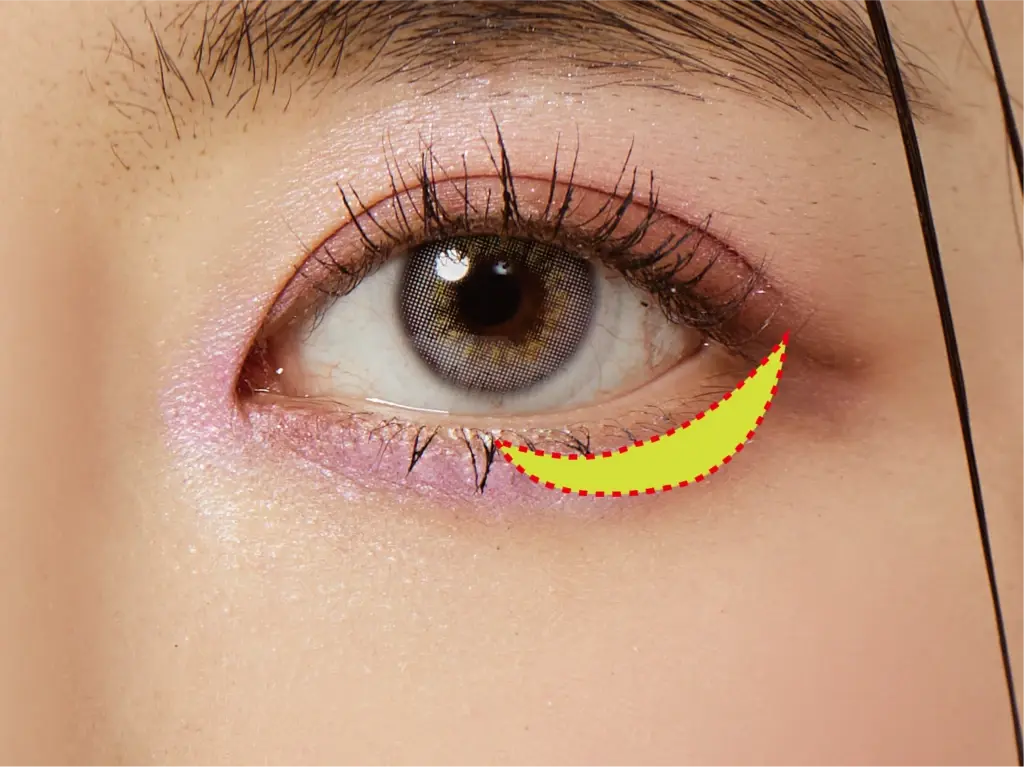
Epicanthoplasty
Open the inner or outer corners of the eyes for a wider, brighter appearance. Often combined with double eyelid surgery for synergistic results.
Open the inner or outer corners of the eyes for a wider, brighter appearance. Often combined with double eyelid surgery for synergistic results.
Epicanthoplasty at Link Plastic Surgery in Seoul widens the inner eye by releasing the epicanthal fold, creating a longer, more open horizontal eye shape. Board-certified surgeons use precise suture placement to minimize visible scarring at the inner corner. Medial epicanthoplasty removes or repositions the epicanthal fold (Mongolian fold) that covers the inner corner, revealing more of the eye horizontally. Lateral canthoplasty extends the outer corner for additional length and almond-shaped definition. These procedures are frequently combined with double eyelid surgery for comprehensive eye enhancement.
30–60 minutes, depending on whether medial, lateral, or combined with double eyelid surgery.
Local anesthesia with optional IV sedation. Twilight sedation when combined with double eyelid surgery.
Sutures removed at day 5–7. Presentable for most settings within 2 weeks. Final shape settles over 2–3 months.
Permanent widening and definition of the eye corners. Results are stable and do not revert without revision surgery.

Your surgeon assesses your canthal anatomy, ethnic proportions, and desired eye shape. Together you determine the best type of epicanthoplasty for your goals.
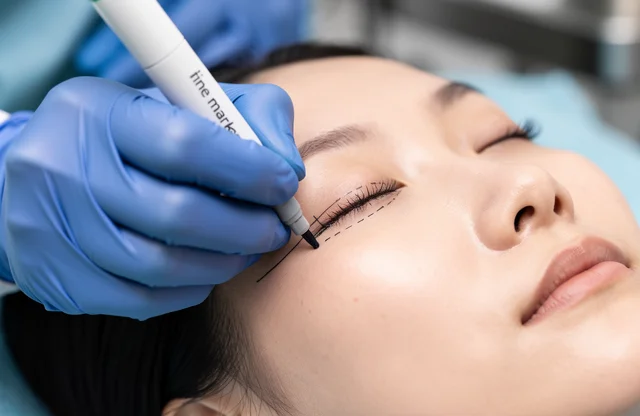
The surgeon maps the precise incision points to achieve natural widening without over-exposure. If combining with double eyelid surgery, both procedures are planned together.

Performed under local anesthesia with sedation. A board-certified plastic surgeon and anesthesiologist work together throughout the procedure.

Follow-up visits with your attending surgeon. Stitch removal at 5–7 days. Cold compresses and head elevation during initial recovery.
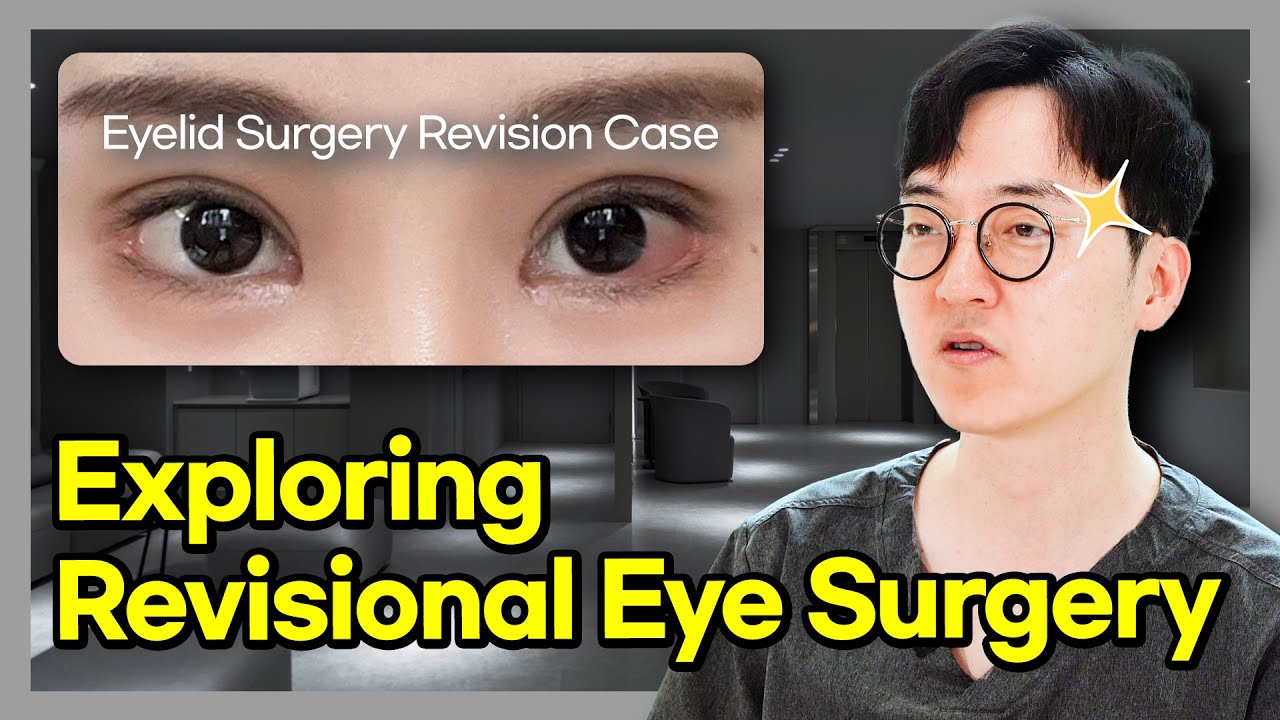
Our surgeons explain procedures, share insights, and discuss real patient cases.


Medial epicanthoplasty reshapes the inner corner of the eye by reducing or repositioning the epicanthal fold, making the inner eye appear more open. Lateral canthoplasty reshapes the outer corner to create a longer or more elongated appearance. These are different procedures and may be performed separately or together depending on your anatomy and goals.
Yes. Medial epicanthoplasty is commonly combined with double eyelid surgery when the epicanthal fold partly covers the inner eye. Combining procedures can reduce the need for separate recovery periods, although initial swelling may be greater than with one procedure alone. Whether both are recommended depends on your anatomy and desired result.
The incision is designed to be as discreet as possible around the eye corners, but it can be visible during early healing. Redness and firmness typically improve over several weeks to months, and scars usually continue to soften for up to 12 months. Scar visibility varies depending on surgical technique, skin type, and healing. Lower canthoplasty often uses a transconjunctival approach with no external incision.
Sutures are removed about 5–7 days after surgery. Most swelling and bruising improve within 1–2 weeks, but residual swelling can last several weeks. We recommend staying in Korea for 7–10 days for follow-up and suture removal. The general eye shape becomes clearer over 1–3 months, while scar maturation continues for up to 12 months.
Revision or partial reversal may be possible in some cases, but it is generally more complex than the original surgery. The degree of correction depends on your previous procedure, scar tissue, and available tissue in the inner corner. A detailed consultation is needed to determine whether revision is appropriate and what result is realistically achievable.
As with any surgery, risks include swelling, bruising, asymmetry, under- or over-correction, visible scarring, and the need for revision. In some patients, there may be partial relapse over time. Your surgeon will review these risks based on your anatomy and medical history during consultation.
The goal is to create a more open eye shape while keeping the result balanced with your facial features. A natural-looking result depends on careful surgical planning and avoiding over-correction. During consultation, your surgeon will explain the expected change and whether a subtle or more defined result is realistic for your anatomy.
Before departure, our team provides written aftercare instructions covering incision care, prescribed ointment or eye drops, swelling reduction, and when you can resume makeup, contact lenses, and exercise. We offer remote follow-up via WhatsApp. If you develop severe pain, sudden swelling, bleeding, or vision changes, seek urgent local medical care and contact our clinic immediately.
Send us your photos and goals. We'll typically reply within 24 hours with a personalized assessment.