
Blepharoplasty
Remove excess skin and fat from upper or lower eyelids to rejuvenate tired-looking eyes.
Remove excess skin and fat from upper or lower eyelids to rejuvenate tired-looking eyes.
Blepharoplasty (eyelid surgery) at Link Plastic Surgery in Seoul corrects drooping upper lids and under-eye bags by removing excess skin and repositioning fat. Board-certified surgeons place incisions in natural folds so scars become nearly invisible once healed, restoring a refreshed look while preserving natural expression. This procedure rejuvenates the eye area while preserving your natural expression.
As we age, the upper eyelid skin stretches and droops — sometimes enough to obstruct vision and cause forehead strain. Upper blepharoplasty removes the excess skin along the natural crease line, restoring a clear, alert appearance without changing your fundamental eye shape.

Approximately 1 hour under IV sedation with local anesthesia.
Stitches removed at 7 days. Most patients return to daily activities within one week.
Drooping eyelids obstructing vision, forehead wrinkles from straining, excess skin folding over lashes, tired appearance.
Clearer vision, brighter eyes, reduced forehead wrinkles. Long-lasting with natural expression preserved.
When the muscles and skin supporting under-eye fat weaken with age, the lower lids sag and fat bulges forward — creating bags, wrinkles, and dark circles. Lower blepharoplasty removes excess skin and repositions or removes fat to restore a smooth, youthful under-eye contour.
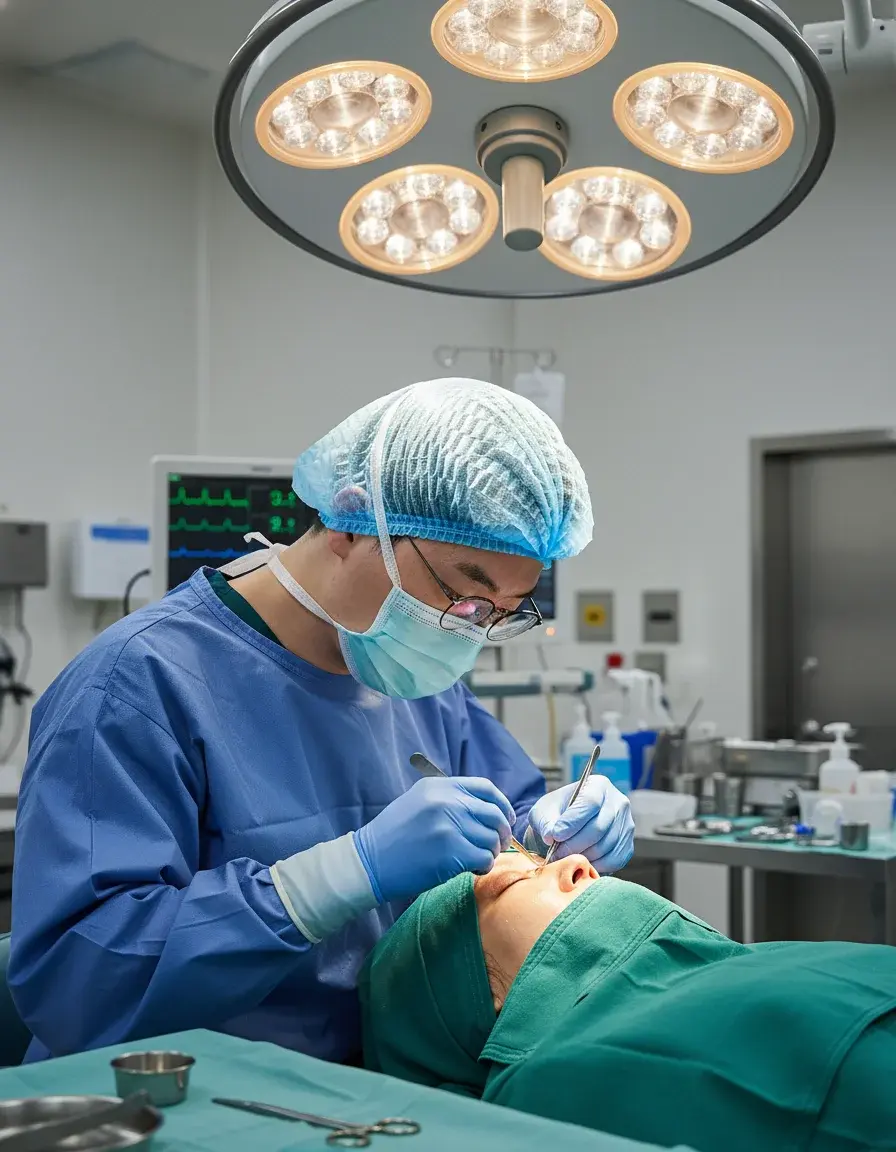
30 minutes to 1 hour under IV sedation with local anesthesia.
Stitches removed at 7 days. Bruising resolves in 1–2 weeks. Final contour at 3–6 months.
Severe under-eye wrinkles, dark circles from fat bulging, baggy lower lids, skin laxity not addressed by fat repositioning alone.
Smoother under-eye contour, dark circle improvement, natural rejuvenation. A brighter, more youthful impression.
Both procedures can be performed together for comprehensive eye rejuvenation — reducing overall recovery time compared to two separate sessions.

Your surgeon assesses eyelid skin quality, fat distribution, muscle strength, and facial proportions. Together you discuss whether upper, lower, or both eyelids need attention.
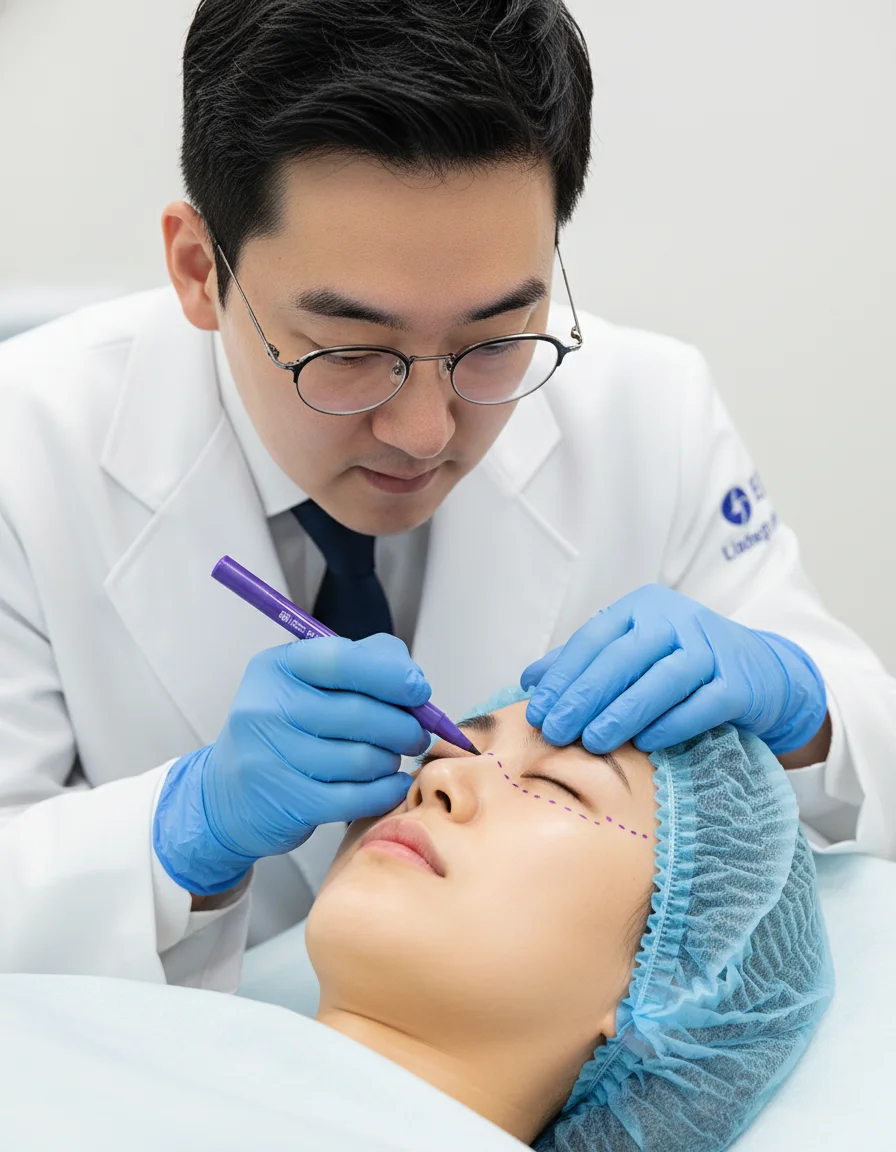
Precise incision lines are drawn based on your natural crease and skin laxity. The amount of skin, muscle, and fat to be addressed is carefully planned.
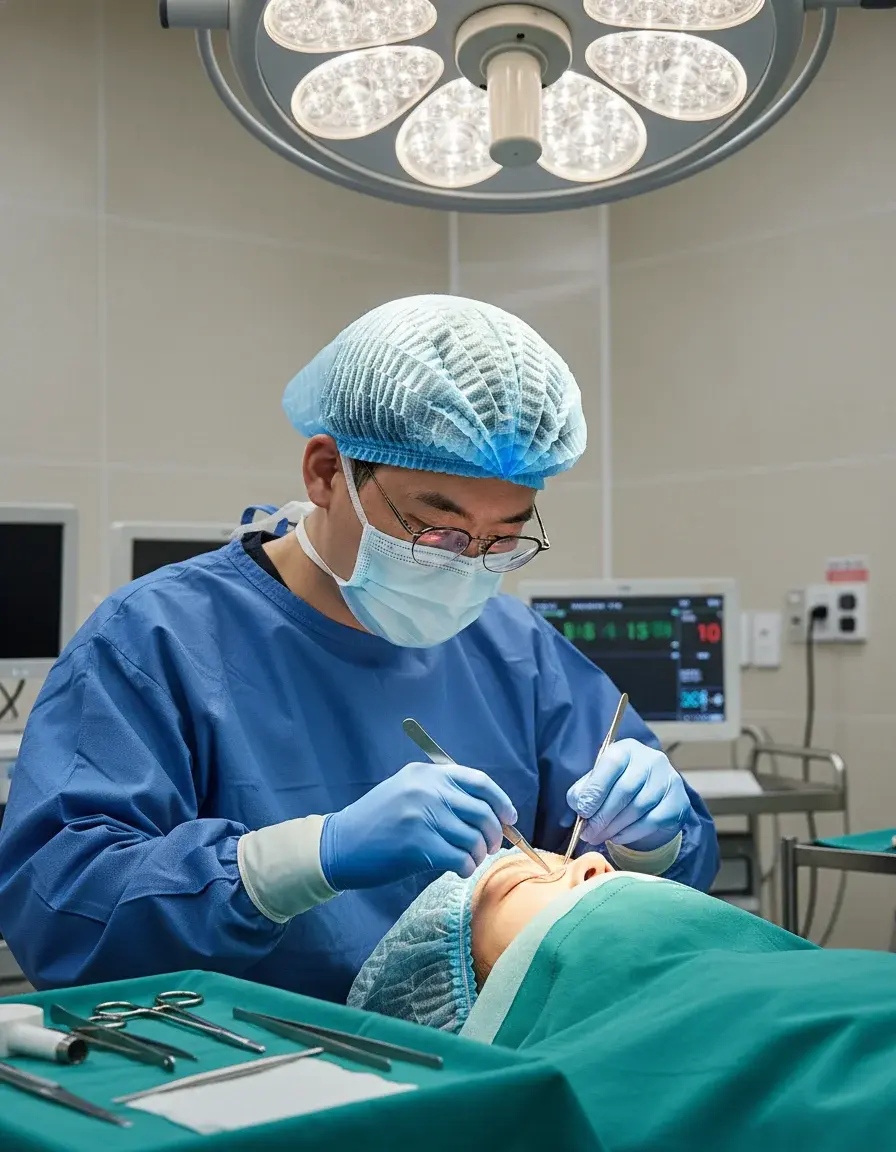
Performed under IV sedation. A board-certified plastic surgeon and anesthesiologist work together throughout. Excess skin, muscle, and fat are carefully removed or repositioned.

Stitch removal at 7 days. Follow-up at 2 weeks. Periodic check-ups at 1–6 months. Cold compresses and head elevation during initial recovery.
Our surgeons explain procedures, share insights, and discuss real patient cases.
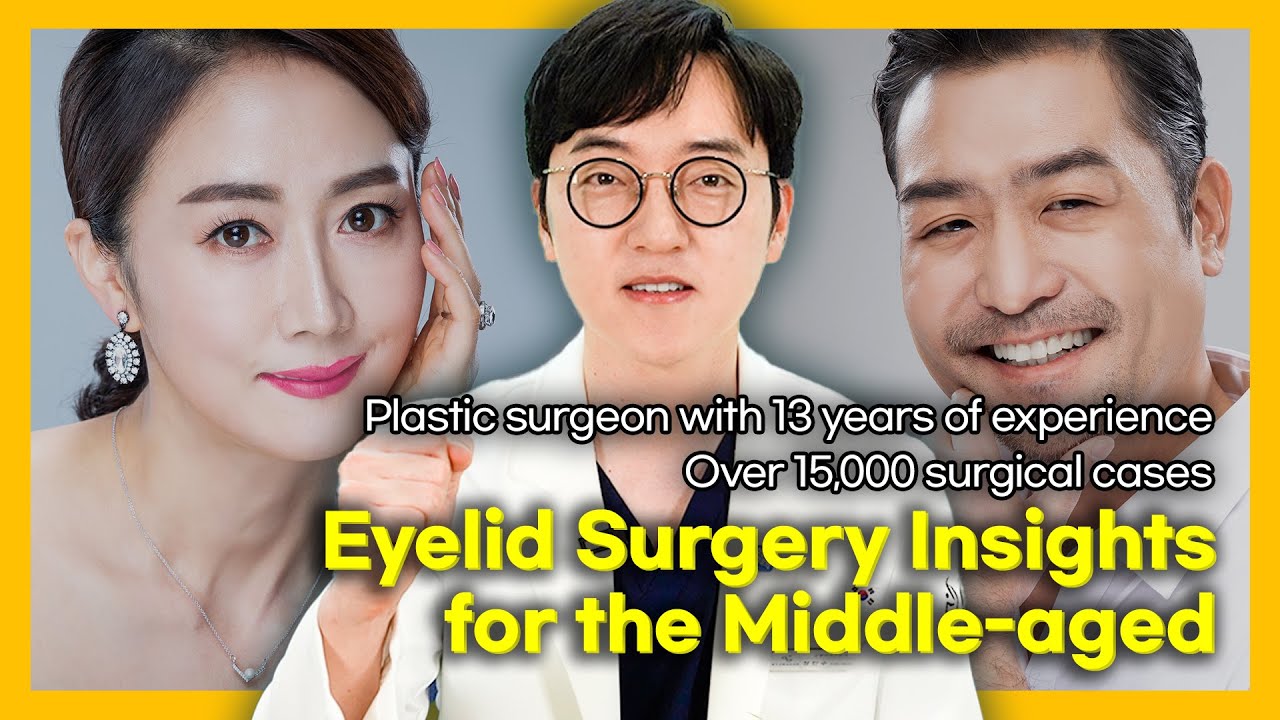
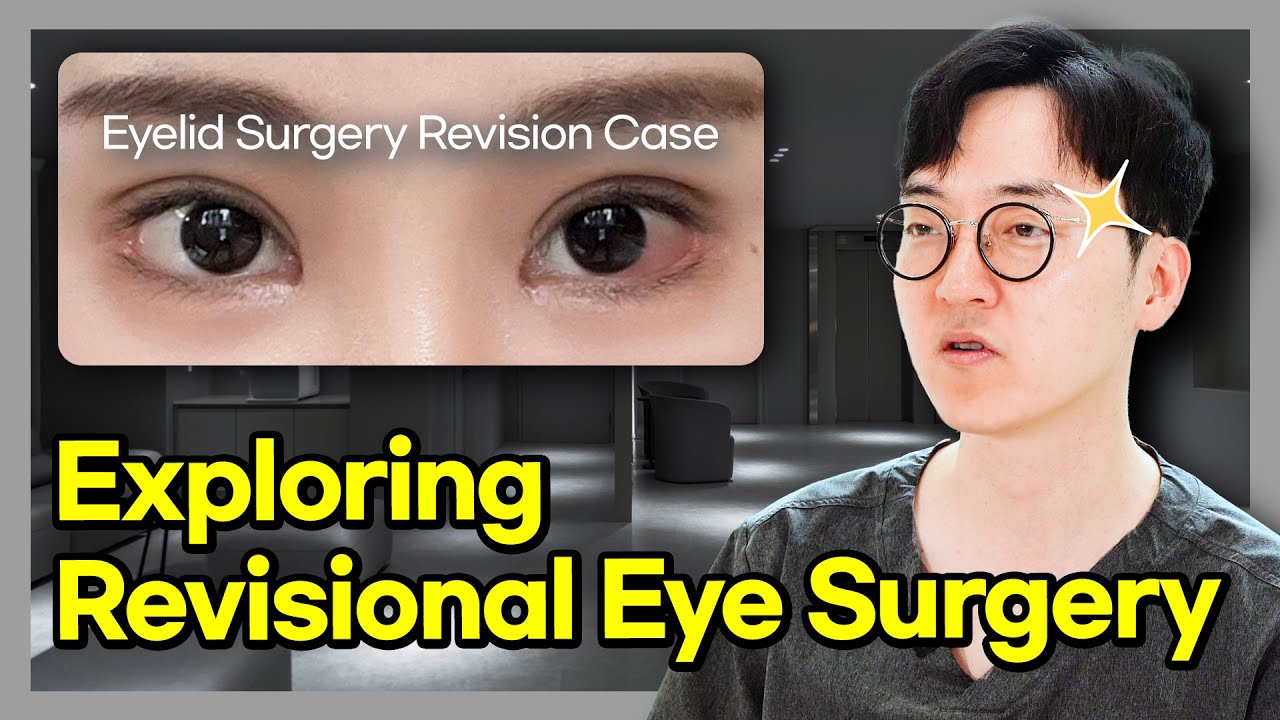

Upper blepharoplasty removes excess drooping skin and fat from the upper eyelids to restore vision and create a more alert appearance. Lower blepharoplasty addresses under-eye bags, wrinkles, and sagging skin by removing or repositioning fat and tightening loose skin beneath the eyes. They can be performed separately or together.
Yes. Upper blepharoplasty is often combined with ptosis correction when the eyelid-lifting muscle is weak. Lower blepharoplasty may be combined with fat repositioning or mid-face fat grafting. Double eyelid surgery can also be performed simultaneously. Your surgeon will recommend combinations based on your anatomy.
For upper blepharoplasty, the incision is placed along the natural crease line and is hidden within the fold when your eyes are open. For lower blepharoplasty, the incision is typically made just below the lash line or inside the eyelid. Scars fade significantly over 3–6 months and are usually difficult to notice by 12 months.
Stitches are removed at 7 days. Most swelling and bruising resolve within 1–2 weeks. We recommend staying in Seoul for at least 7 days for stitch removal and follow-up. Most patients return to work and social activities within 10–14 days. Final results settle over 3–6 months.
The procedure is performed under IV sedation with local anesthesia, so most patients feel little to no pain during surgery. Mild soreness, tightness, and temporary dryness are common afterward and manageable with prescribed medication for a few days.
Under-eye fat repositioning is performed through the inside of the eyelid (transconjunctival approach) with no external incision — it redistributes fat but does not address skin laxity. Lower blepharoplasty may use an external incision to remove excess skin and tighten the lower lid. However, some lower blepharoplasty cases can also use a transconjunctival approach depending on the patient's anatomy. Your surgeon will determine the best method during consultation.
Upper blepharoplasty removes excess skin from the eyelid itself. A sub-brow lift (brow lift) incises just below the eyebrow to lift sagging brow tissue. When drooping is caused primarily by brow descent rather than eyelid skin excess, a brow lift may be more appropriate. In some cases, both procedures may be recommended together.
Risks include temporary swelling, bruising, asymmetry, dry eyes, and mild irritation. For upper blepharoplasty, temporary difficulty closing the eyes fully (lagophthalmos) may occur in the early healing period. For lower blepharoplasty, ectropion (lower lid pulling) is a rare but known risk. Serious vision-threatening complications are uncommon. Your surgeon will assess your individual risk factors during consultation.
Before departure, our team provides detailed aftercare instructions. We offer online follow-up consultations via WhatsApp so our doctors can monitor your healing remotely. If you experience severe pain, sudden vision changes, or unusual swelling, seek in-person medical evaluation immediately.
Send us your photos and concerns. We'll typically reply within 24 hours with a personalized assessment from our board-certified surgeons.