
Eyelid Fat Removal
Reduce puffiness and heaviness in the eyelids for a cleaner, more defined eye contour.
Reduce puffiness and heaviness in the eyelids for a cleaner, more defined eye contour.
Eyelid fat removal targets excess orbital fat in the upper eyelids that creates a puffy, heavy, or swollen appearance. By precisely removing unwanted fat through small incisions hidden in the crease, this procedure lightens the eyelids and creates a cleaner contour — without altering your existing crease or eye shape. Often combined with double eyelid surgery for comprehensive results.
Approximately 30 minutes. Local anesthesia with optional IV sedation for comfort.
Stitches removed at 5–7 days. Mild swelling resolves within one week. Most patients return to daily activities quickly.
Not required. Outpatient procedure — you go home the same day.
Permanent reduction of eyelid puffiness. Remaining fat is preserved to maintain a natural contour without hollowing.
A precise, minimally invasive technique that removes excess eyelid fat through a tiny 1–2mm opening along the crease line — leaving virtually no visible scar.
Puffy, bulging upper eyelids with excess orbital fat creating a heavy appearance.
The surgeon maps the exact amount and location of fat to remove for optimal balance.
A tiny 1–2mm opening is created just outside the crease line — virtually invisible once healed.
Excess orbital fat is carefully extracted through the opening. Only the right amount is removed to maintain natural volume.
The micro opening is meticulously closed with fine sutures for minimal scarring.
Slimmer, lighter eyelids with a cleaner contour — without altering the natural crease or eye shape.

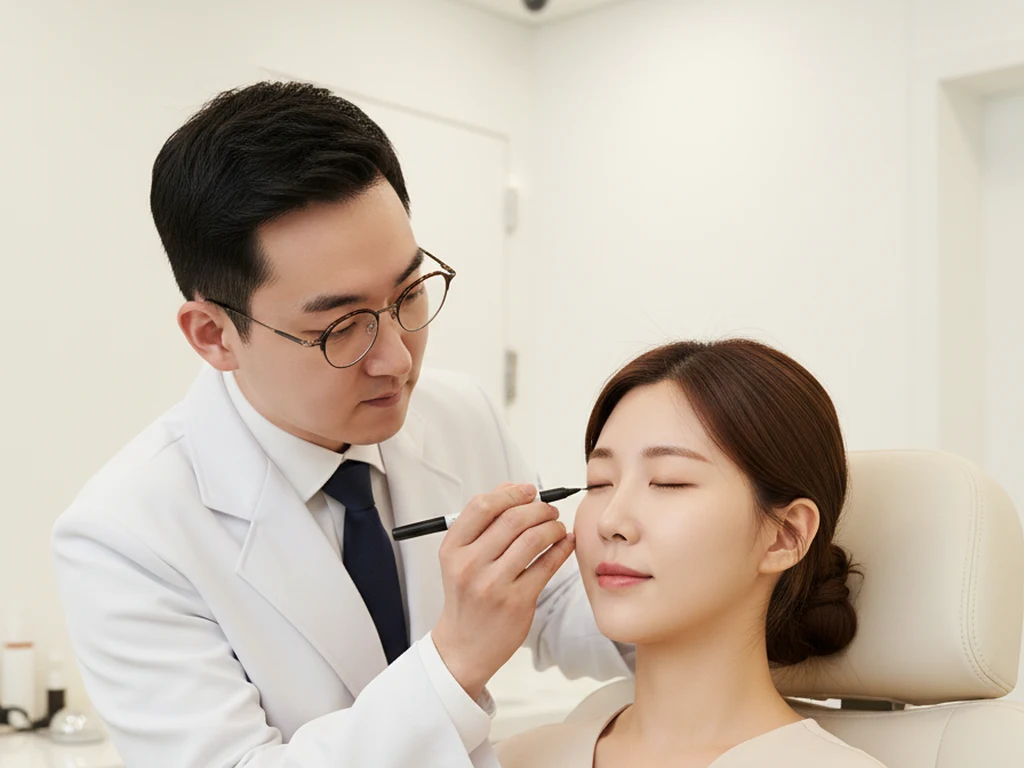
Your surgeon evaluates eyelid fat volume, skin thickness, and overall eye structure. Together you determine whether fat removal alone or a combined approach is best.
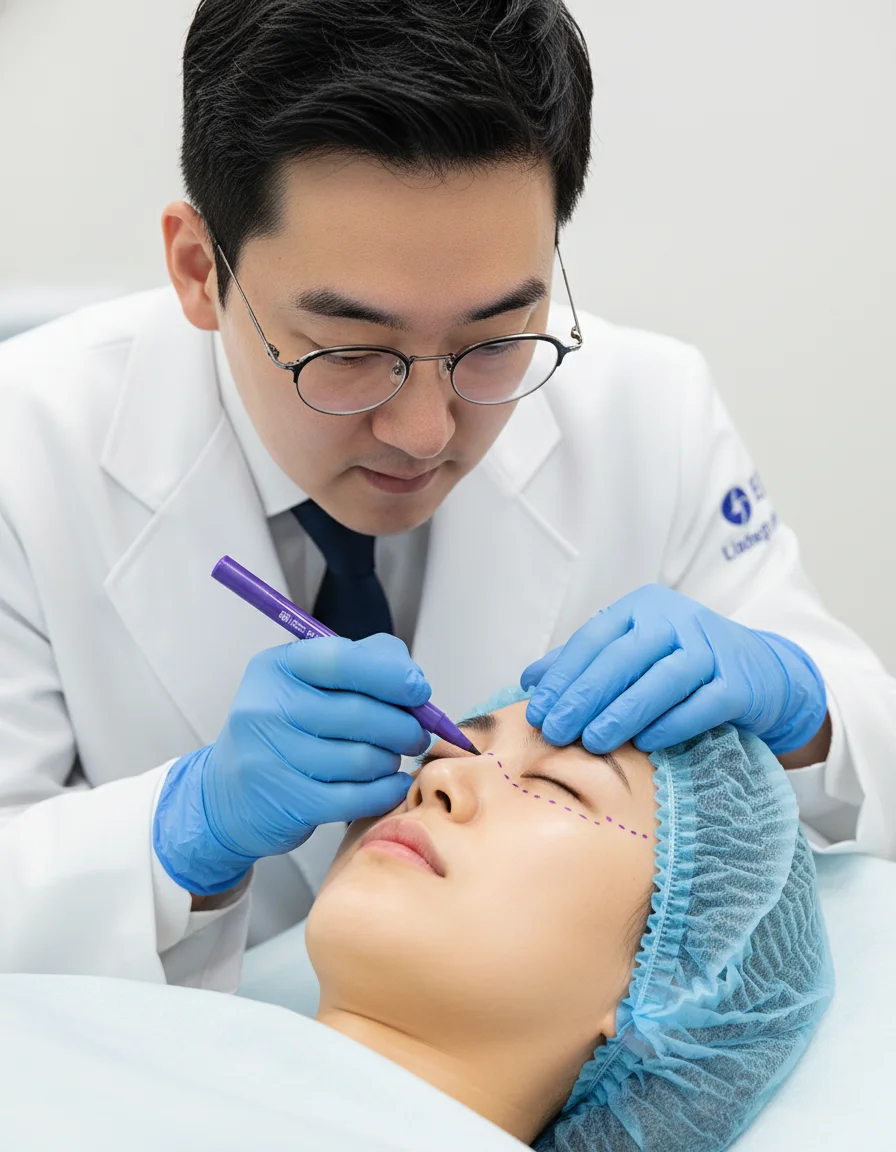
The amount of fat to remove is carefully planned to avoid over-correction. Incision points are marked along the natural crease line.
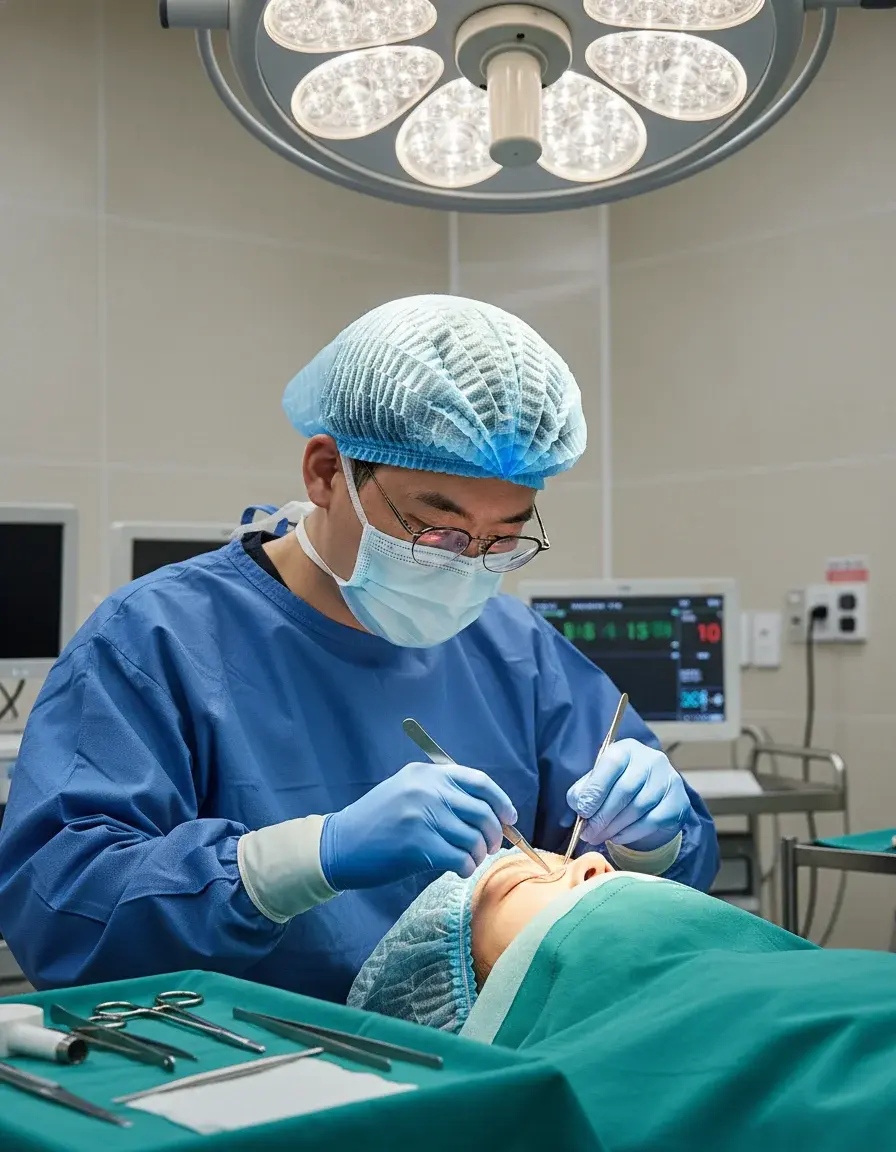
Under local anesthesia (with optional sedation), excess fat is carefully removed through a small incision in the crease. Approximately 30 minutes.

Stitch removal at 5–7 days. Cold compresses for the first 2–3 days. Most swelling subsides within one week. Final clean contour visible at 1–3 months.
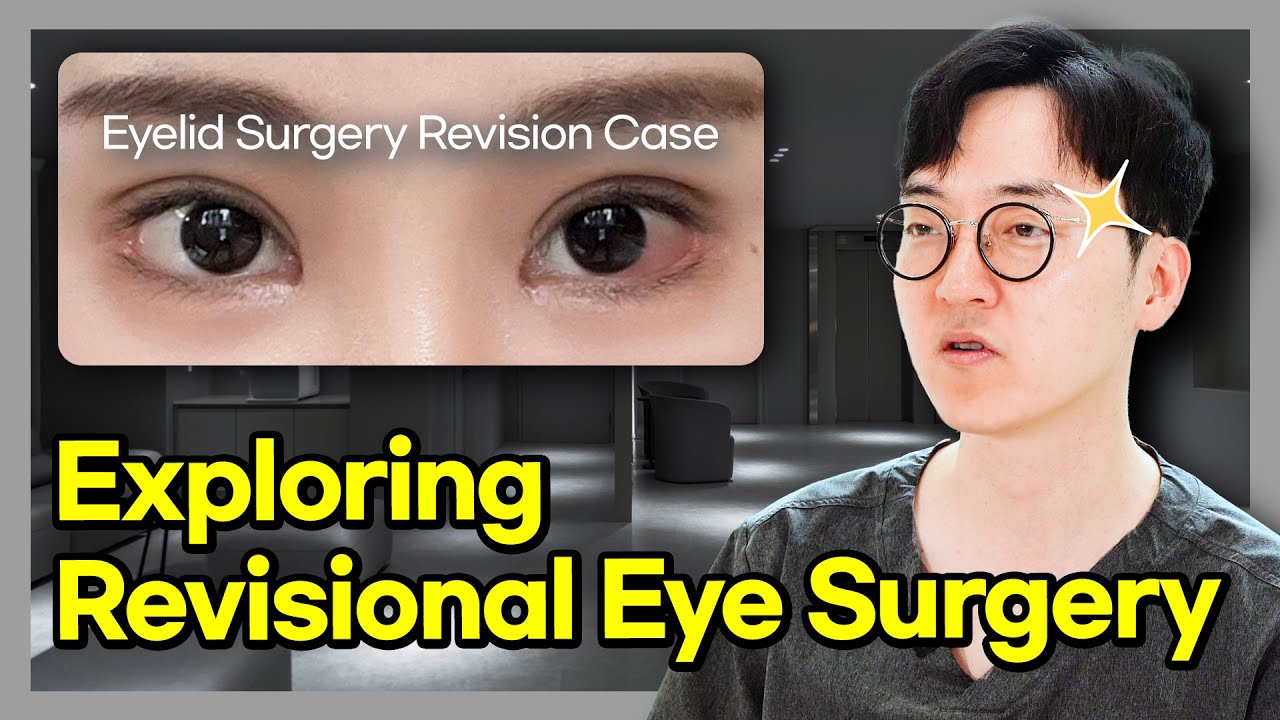
Our surgeons explain procedures, share insights, and discuss real patient cases.


No. Eyelid fat removal is a focused procedure that primarily targets excess orbital fat in the upper eyelid. Upper blepharoplasty is more comprehensive — it may address excess skin, muscle, and fat together, and is typically recommended when skin sagging or structural changes are also present. Your surgeon will assess not only fat volume but also skin elasticity, brow position, and eyelid muscle strength to determine the best approach.
Yes, this is one of the most common combinations. Removing excess fat creates a cleaner foundation for the crease, often resulting in a more defined and natural-looking double eyelid. Both procedures can be performed in a single session. Fat removal can also be performed as a standalone procedure for patients who want to keep their natural monolid (no crease) while reducing puffiness.
The incision is typically made along the natural eyelid crease line, so any scarring is hidden within the fold. Most scars become inconspicuous within 2–3 months, with final scar maturation continuing for up to 6–12 months. Scar visibility varies depending on skin type and healing.
Stitches are removed at 5–7 days. The most noticeable swelling and bruising resolve within 1–2 weeks, although mild residual swelling may persist for several weeks. We recommend staying in Seoul for at least 5–7 days for stitch removal and follow-up. Most patients return to daily activities within one week. Final results are typically visible at 3–6 months.
Yes, over-removal is one of the most important risks to avoid. Our surgeons follow a conservative approach, removing only the amount necessary while preserving enough volume for a natural contour. This is especially important because the upper eyelid naturally loses fat with age — what looks balanced now should still look natural years later. If hollowing does occur, correction may require fat grafting, which is more complex than the original procedure.
The procedure is performed under local anesthesia, with optional IV sedation for comfort. Most patients feel little pain during the procedure, though a brief sting from the anesthesia injection and mild pressure during surgery are normal. Mild soreness and tightness afterward resolve within a few days. If IV sedation is chosen, fasting before the procedure is required.
Risks include temporary swelling, bruising, asymmetry, and mild dryness. Under- or over-correction, though uncommon, may occur. Rare complications include infection or prolonged swelling. If too much fat is removed, correction through fat grafting may be needed — which is why conservative removal is essential. Your surgeon will discuss your individual risk factors during consultation.
Send us your photos and concerns. We'll typically reply within 24 hours with a personalized assessment from our board-certified surgeons.