
Revision Eye Surgery
Correct unsatisfactory results from previous eye surgery with expert precision and care.
Correct unsatisfactory results from previous eye surgery with expert precision and care.
Revision eye surgery addresses complications or unsatisfactory outcomes from previous eyelid procedures. Whether the issue is asymmetric creases, an unnatural fold height, excessive scarring, or functional problems like difficulty closing the eyes, revision requires a surgeon who understands the unique challenges of working with previously operated tissue. At Link PS, Dr. Jung and Dr. Sung carefully evaluate scar tissue, remaining anatomy, and the patient's goals to plan a precise correction strategy — so this can be your last eye surgery.

Approximately 1 hour for standard cases. Complex multi-layer corrections involving scar release and structural reconstruction may take longer.
10 to 21 days before looking presentable. Swelling takes longer to resolve than primary surgery. Final results visible at 6 to 12 months.
IV sedation (sleep anesthesia) for most cases. You remain comfortably asleep throughout the procedure.
Improved symmetry, natural crease definition, and functional correction. Outcomes depend on the condition of prior tissue; realistic expectations are set during consultation.
Each case is different. Below are the most frequent reasons patients seek revision eye surgery.
Uneven fold heights between left and right eyes. Adjusted by releasing adhesions and re-setting the crease at the correct position.
A crease set too high creates a "surprised" look; too low leaves a faint or undefined fold. The attachment point is released and repositioned at the correct height.
Thick, puffy fold caused by improper fixation or excessive internal scarring that bunches skin above the crease. Corrected by releasing adhesions and re-setting the fold at the proper depth.
Over-removal of fat leaves a hollow, aged appearance. Fat grafting restores natural volume and contour.
Drooping eyelid caused by levator muscle weakening or detachment during prior surgery. Muscle function is restored through careful re-attachment or advancement.
Visible or thick scars and internal adhesions restricting movement. Scar tissue is released and the crease is reformed cleanly.
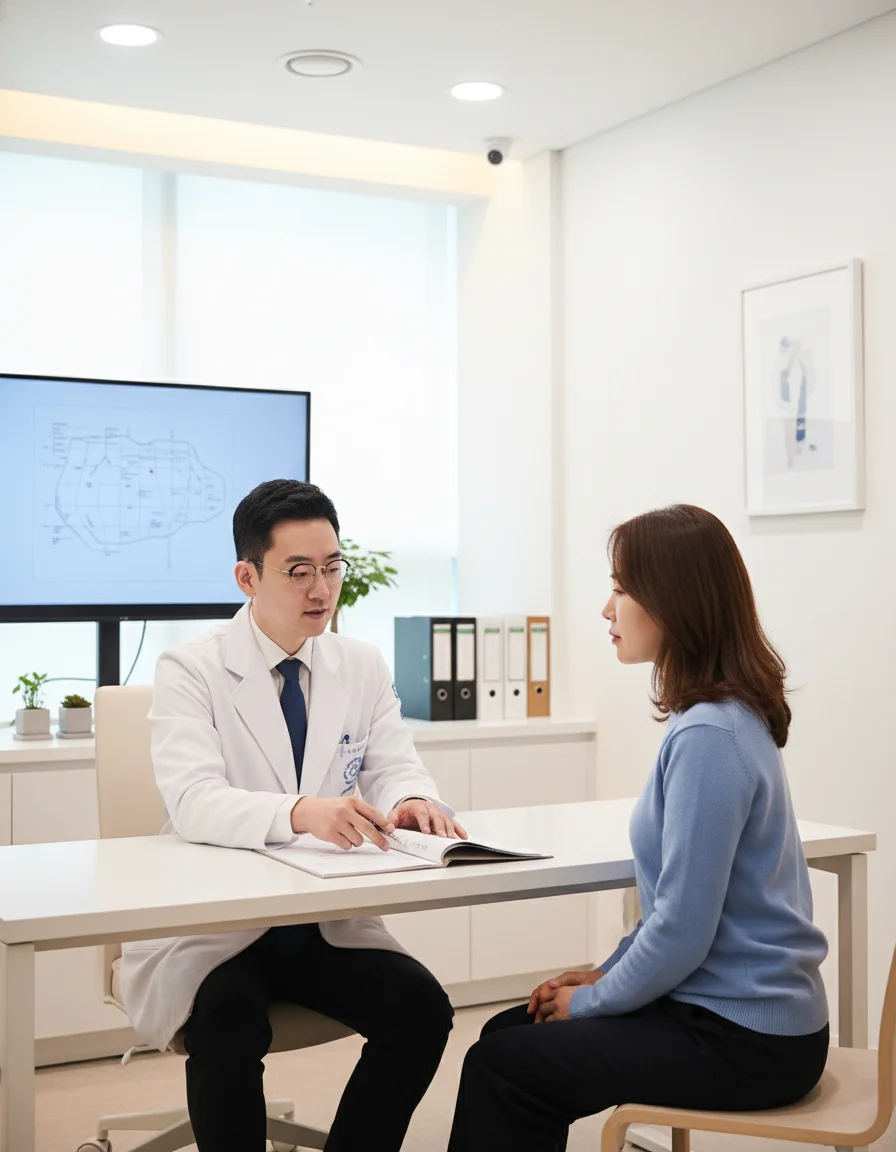
Dr. Jung or Dr. Sung reviews your surgical history, examines scar tissue and remaining anatomy, and discusses what is realistically achievable. Bring any records from your previous surgery if possible.
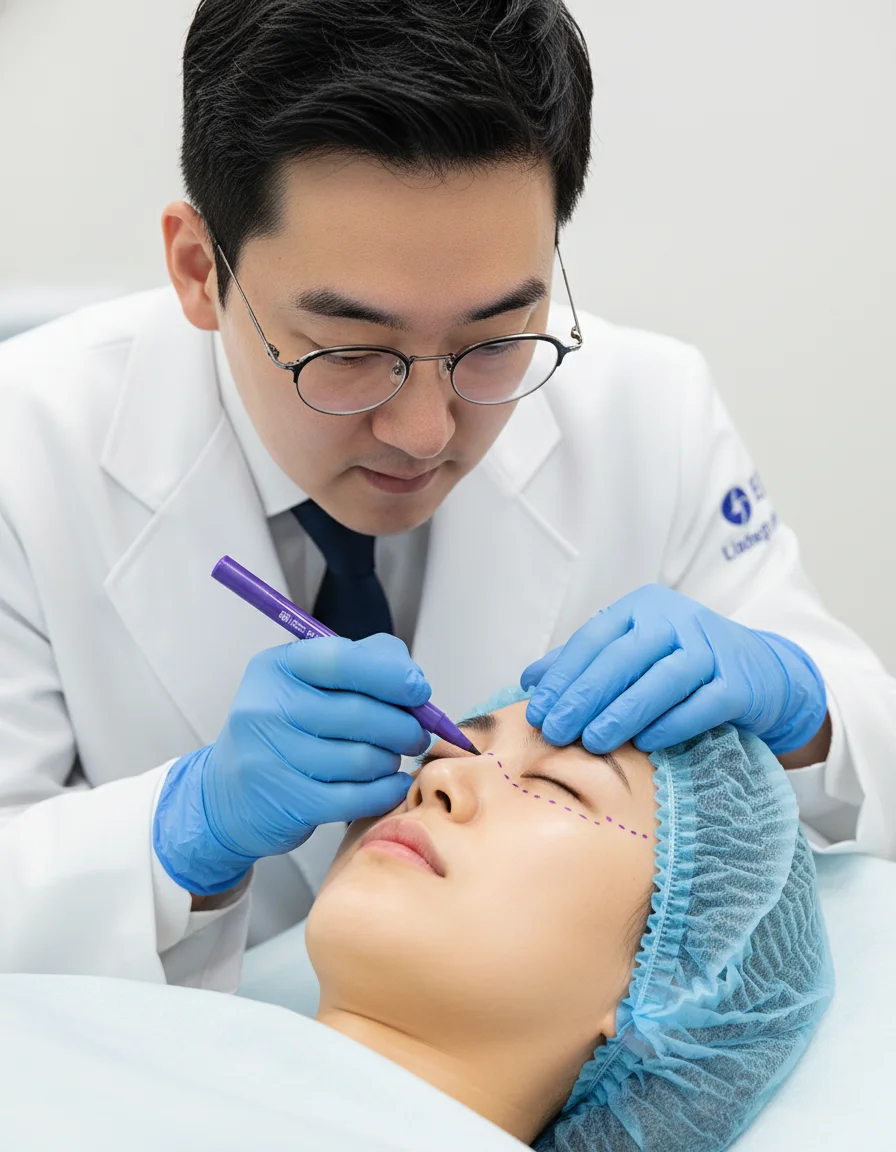
A tailored correction plan is designed based on your specific issues. The plan may include scar release, crease repositioning, fat grafting, or levator adjustment depending on your case.
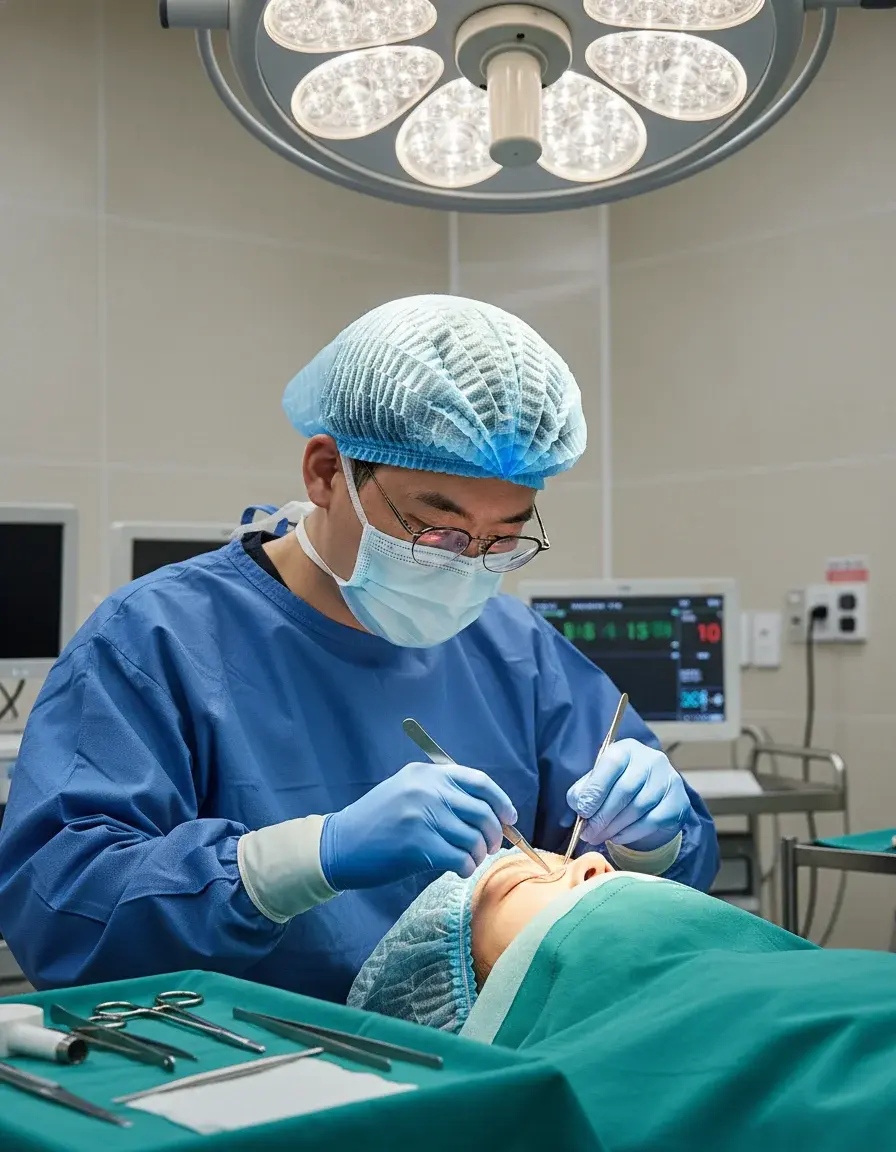
Under IV sedation, the previous incision is carefully reopened. Scar tissue is released, structures are repositioned, and the crease is reformed to achieve symmetry and a natural contour.

Stitch removal at 5 to 7 days. Swelling and bruising last longer than primary surgery. Follow-up visits monitor healing closely. Final results stabilize at 6 to 12 months as scar tissue matures.
Our surgeons explain procedures, share insights, and discuss real patient cases.
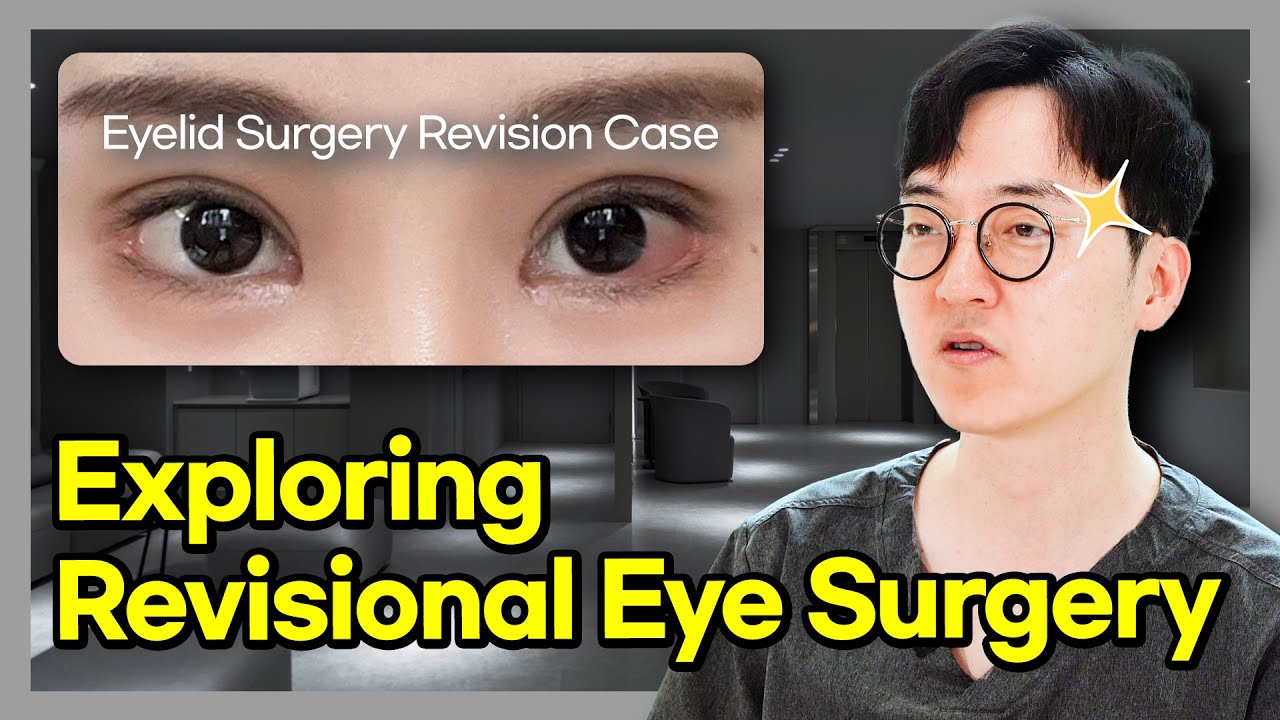


We generally recommend waiting at least 6 months after your original surgery. This allows swelling to fully resolve and scar tissue to mature, giving your surgeon a clear picture of what needs correction. Rushing into revision before tissues have healed can lead to worse scarring or additional complications. In urgent functional cases (difficulty closing the eyes), earlier intervention may be considered.
Revision surgery is technically more demanding because the surgeon works with tissue that has already been altered. Scar tissue behaves differently than virgin tissue, and the anatomy may have shifted. Risks are minimized with an experienced revision specialist. Dr. Jung and Dr. Sung's extensive experience with complex revision cases helps achieve predictable results, though individual outcomes depend on the condition of previously operated tissue.
We utilize existing incision lines whenever possible to minimize additional scarring. The previous scar is carefully refined during the revision, often resulting in a thinner, less visible line than before.
Yes. The majority of our revision patients had their original surgery at other clinics, both in Korea and abroad. We assess each case individually regardless of where the prior surgery was performed. Having your original surgical records is helpful but not required.
Multiple prior surgeries make the tissue more complex but do not necessarily rule out further correction. Dr. Jung and Dr. Sung evaluate the remaining tissue quality, scar burden, and functional status to determine what improvement is possible. Realistic expectations are particularly important in these cases.
Stitches are removed at 5 to 7 days. Most patients return to daily activities within 1 week. Swelling and bruising gradually subside over 2 to 3 weeks, at which point most patients look presentable. The final shape continues to refine for 6 to 12 months as internal scar tissue softens.
We recommend staying at least 7 to 10 days for your initial recovery and stitch removal. You can typically fly 1 to 2 days after stitch removal. After returning home, follow-up is conducted via video consultation with photos, and we can coordinate with a local physician if needed.
If available, bring any records from your previous surgery including the surgical report, before/after photos, and the name of the procedure performed. Photos of your eyes (open, closed, looking up, looking down) taken in natural light are also helpful. These are not required but help us plan more precisely.
Book a free consultation. Share your concerns and previous surgical history with our team.
Get a Free Consultation