
Revision Rhinoplasty
Correct unsatisfactory results from previous nose surgery. Requires specialized expertise in complex nasal anatomy.
Correct unsatisfactory results from previous nose surgery. Requires specialized expertise in complex nasal anatomy.
A nose that has already been operated on presents a fundamentally different challenge. Internal scar tissue, altered cartilage structure, and compromised skin make every decision harder. At Link PS, Dr. Jung and Dr. Sung analyze each case by type — addressing both the aesthetic and functional concerns together. Their combined experience in complex nasal reconstruction means they can identify the root cause of a failed result and build a plan that accounts for what the previous surgery left behind.
1.5 to 2 hours depending on the complexity of prior work and degree of correction required.
IV sedation with a dedicated anesthesiologist monitoring throughout.
Stitch removal at 5 to 7 days. Return to daily life after 1 week. Swelling resolves more gradually — expect 6 to 12 months for the final shape.
Corrected symmetry, improved nasal function, and a natural outcome that addresses the specific concerns from your prior surgery.
If you have already had one or more rhinoplasty procedures, revision surgery is significantly more complex than a primary operation. Choosing the right surgeon — one who can achieve the result you want while operating safely on altered tissue — is the most critical decision you will make.
Previous surgery creates internal scarring that makes tissue planes harder to identify and work with safely.
Cartilage and bone may have been removed or repositioned, requiring reconstruction with autologous tissue.
Skin may be thinned, contracted, or less elastic after prior surgery, limiting what can be achieved safely.
Healing takes longer than primary rhinoplasty. Swelling and tissue settling may require 12 to 18 months for the final result.
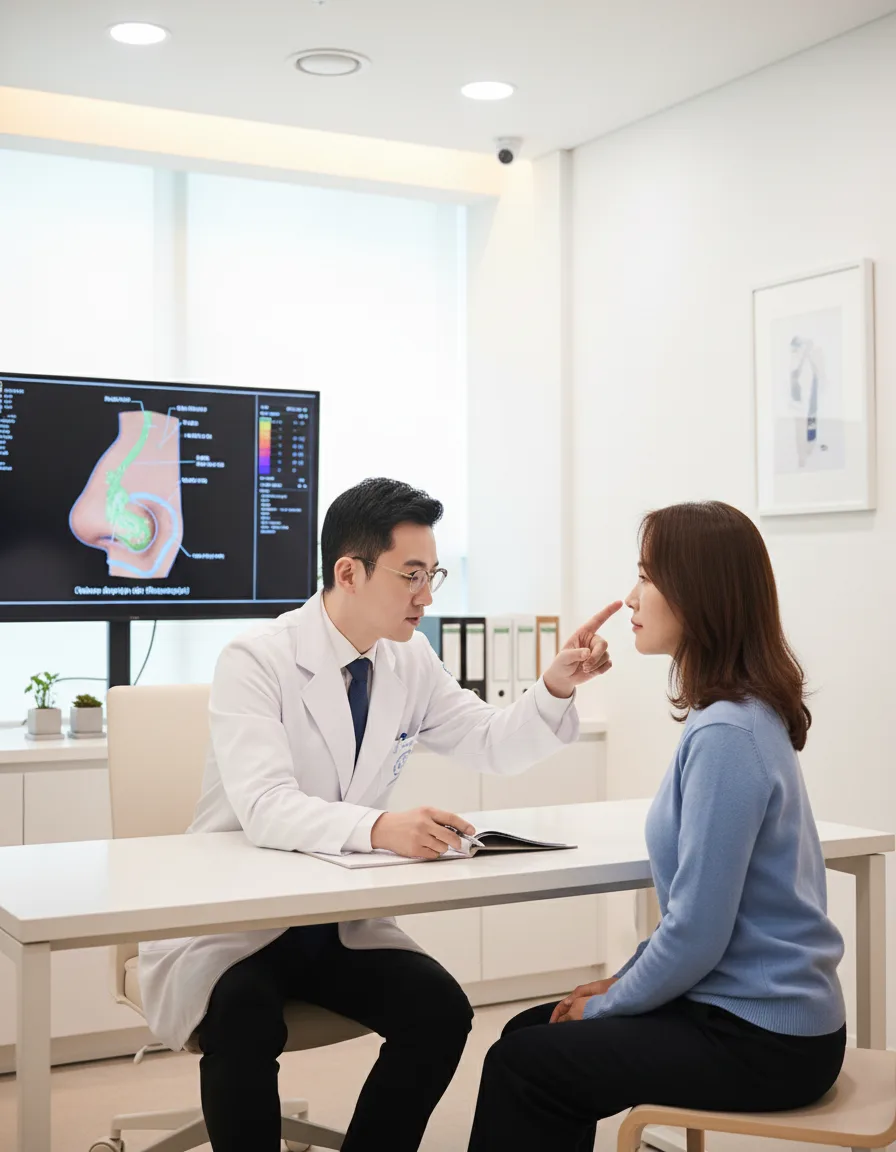
Your surgeon thoroughly examines what went wrong in your previous surgery. Imaging analysis, tissue assessment, and a detailed discussion of your goals help build a realistic revision plan.
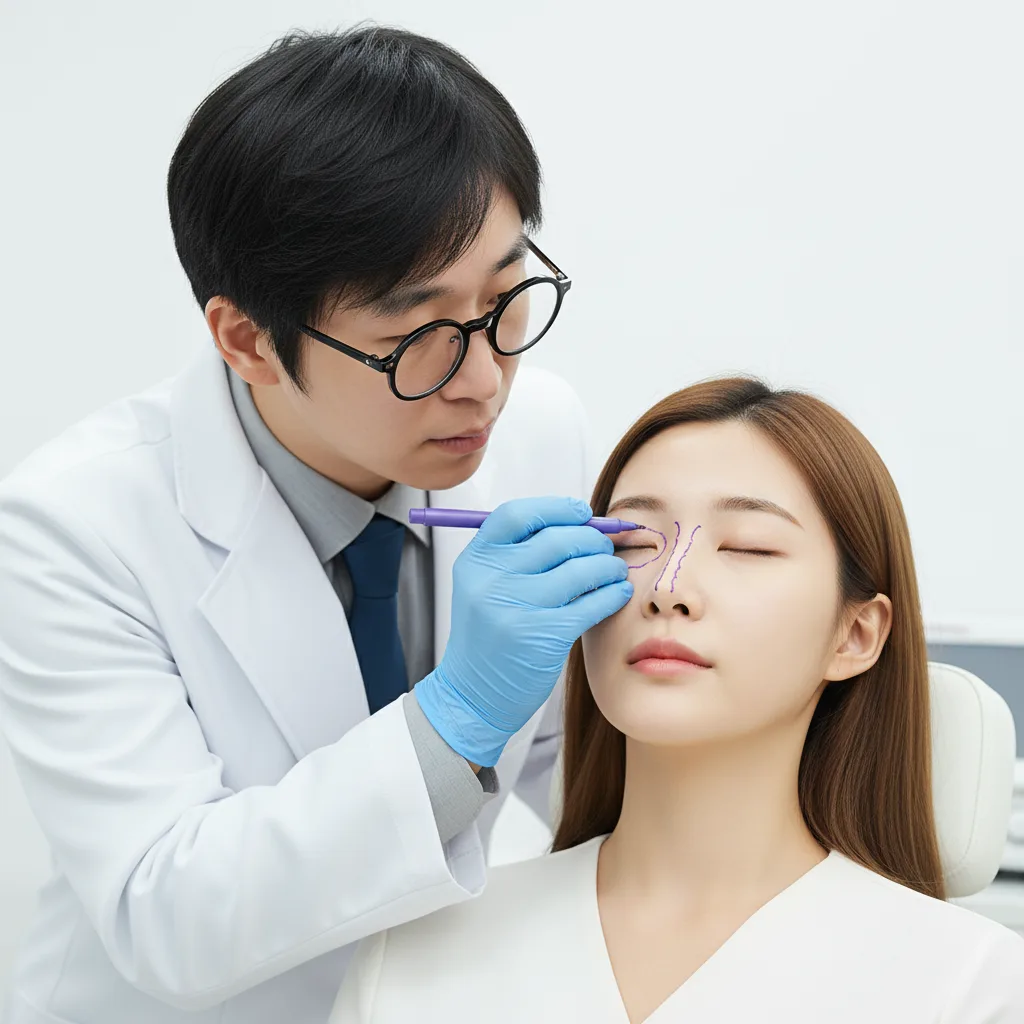
The approach is tailored to your specific situation — implant exchange or removal, cartilage grafting source (ear, septum, or rib), and whether open or closed technique is appropriate.
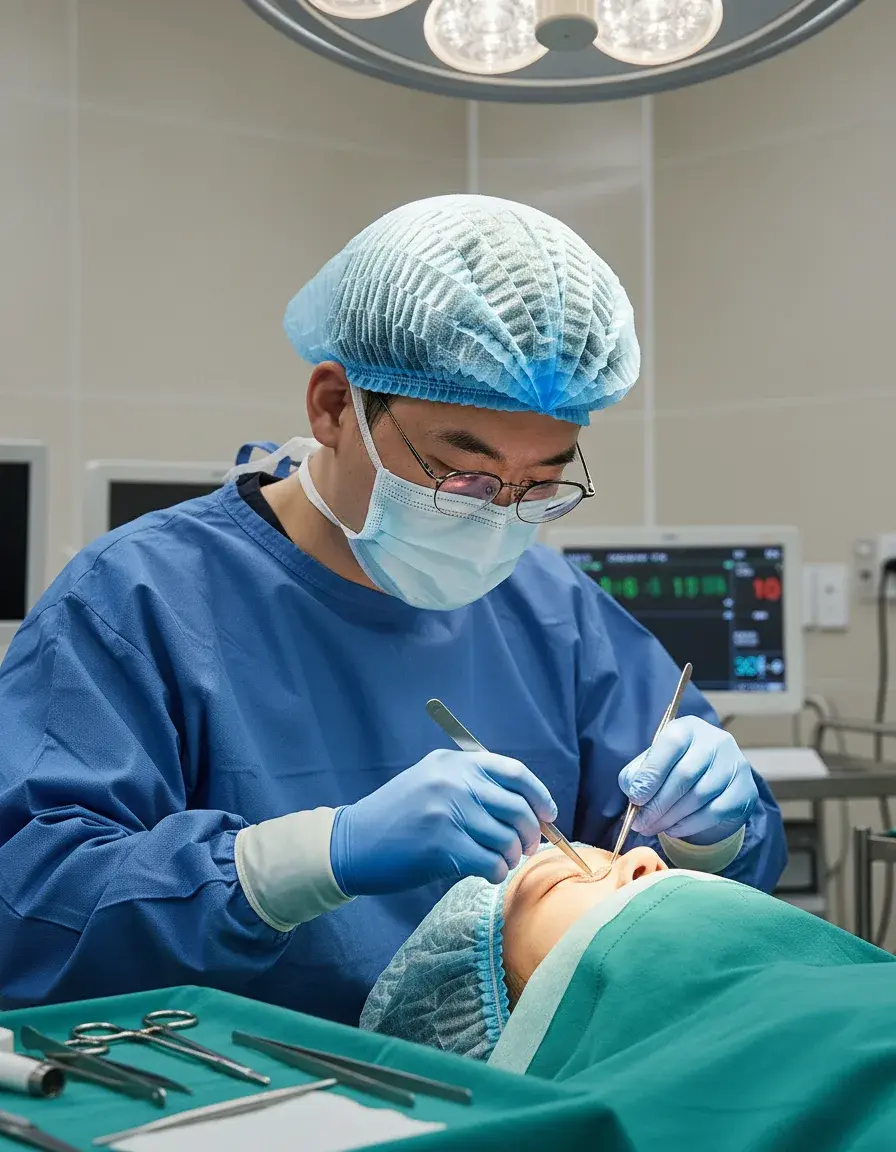
Under IV sedation, the surgeon corrects structural issues while preserving healthy tissue. Scar tissue is carefully managed and the bridge, tip, and nostrils are refined as a connected system. The procedure takes 1.5 to 2 hours.

Stitch removal at 5 to 7 days. Return to daily life after approximately 1 week. Because revision tissue heals more slowly, follow-up visits are scheduled more frequently. The final refined shape emerges over 6 to 12 months.
Our surgeons explain procedures, share insights, and discuss real patient cases.


In most cases, revision rhinoplasty is best considered after 6 to 12 months, once swelling has settled and scar tissue has matured. Earlier intervention may be necessary in urgent situations such as infection, implant exposure, or tissue compromise.
Discomfort varies from patient to patient. Some revision cases feel similar to a primary rhinoplasty, while others may involve more swelling or tenderness because of scar tissue and more complex grafting. Performed under IV sedation with a dedicated anesthesiologist monitoring throughout.
It depends on the reason for revision. An implant may need to be removed if it has shifted, become visible, caused contracture, or is at risk of exposure. In many cases, it is replaced with autologous cartilage (from your ear, septum, or rib) for a more natural and stable result. In selected cases, a new implant may be repositioned.
Yes. Many revision cases involve both aesthetic and functional issues. Nasal obstruction, deviated septum, nasal valve collapse, or scar-related airway narrowing can be addressed simultaneously with the cosmetic correction.
The majority of our revision patients had their primary surgery elsewhere. We will ask for any available records, operative notes, implant details, and photos. Even without them, our surgeons can assess the current state of your nose through examination and imaging. If you know the type of implant or graft used previously, that information is especially helpful.
Previous surgery creates internal scar tissue, alters the cartilage framework, and may thin the skin — all of which make the procedure technically more challenging. Cartilage may have been removed or damaged, requiring reconstruction with donor cartilage from the ear, septum, or rib. Results are also less predictable because tissue healing is more variable after prior manipulation.
Revision rhinoplasty costs vary widely depending on the complexity, whether grafting or implant removal is needed, and whether functional airway repair is included. After consultation, we provide a detailed treatment plan and quotation explaining what is and is not included.
Send your photos for a free assessment. We typically reply within 24 hours.
Get a Free Consultation